
Key Highlights
- The River Wye Catchment area is addressing pollution issues through collaborative efforts.
- Agricultural practices and community-based projects are being explored to reduce nutrient influx.
- A dairy farm project has won a national award, highlighting the sector’s commitment to sustainable practices.
- Challenges remain, as indicated by bluetongue disease confirmation on another farm in the county.
Collaborative Efforts to Tackle Pollution in the River Wye Catchment
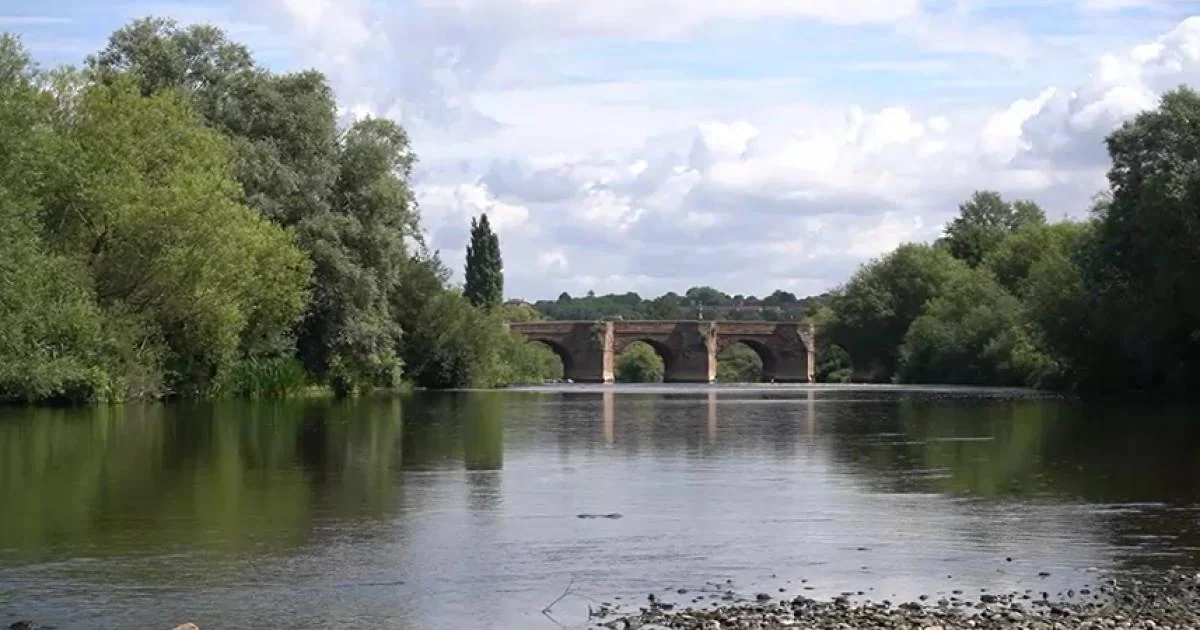
The River Wye Catchment area is facing significant pollution challenges that are threatening this cherished body of water. Residents, local councils, national government organizations, and dedicated entities like the Nutrient Management Board are coming together to address these pressing issues through a range of collaborative efforts.
Reducing Nutrient Influx
A primary focus of these initiatives is reducing nutrient influx, particularly phosphates, which are detrimental to freshwater ecosystems. As part of this commitment, a variety of agricultural practices and community-based projects are being explored and implemented. These efforts aim to enhance water quality within the catchment area, ensuring the long-term health and sustainability of the river.
Highlighting Agricultural Sector’s Commitment
A notable achievement in these collaborative endeavors is a recent national award won by a dairy farm building project. This recognition underscores the critical role that the agricultural sector plays in promoting sustainable practices. However, challenges persist, as evidenced by the confirmation of bluetongue disease on another farm in the county. This highlights the need for continued vigilance and collaboration among all stakeholders involved.
Sharing Insights at the Rivers Conference
The annual Rivers Conference hosted in Hereford serves as a pivotal platform to share insights and progress on various projects along the Wye’s tributaries, specifically the rivers Arrow, Lugg, and Frome. This conference features presentations from local farmers and researchers, showcasing initiatives such as:
- The Mowley Valley habitat restoration project on the River Arrow, aimed at rejuvenating local ecosystems.
- Advanced farm management solutions designed to bolster river health through sustainable practices.
- The application of mineral gypsum to enhance soil conditions, mitigate runoff, and curtail phosphate losses.
- The use of biochar as an innovative treatment for retaining soil nutrients while improving overall water quality.
Commitment from Local Leaders
Councillor Elissa Swinglehurst, the Council’s Deputy Leader and Cabinet Member for the Environment, emphasized the importance of collaborative efforts in tackling water pollution. She stated, “We must work in partnership to tackle this important issue. That’s why we bring together key players, from farmers to academic researchers and government agencies, to focus on solutions.
The annual Rivers Conference provides a great focal point for the sector.” Swinglehurst added, “Many projects are well under way, from creating integrated wetlands that naturally filter nutrients from the water to various innovative approaches showcased at the conference. The commitment of farmers to piloting new land management techniques and interventions is vital. We can test and learn, and scale up what works across the county.”
With the ongoing efforts of local leaders, farmers, and researchers, there is a hopeful trajectory towards improving the health and sustainability of the River Wye and its surroundings. The community is encouraged to stay informed and engaged through local news updates and resources, helping to foster a collective vision for a cleaner, healthier river system.
As these collaborative initiatives continue, the River Wye Catchment area remains committed to preserving this vital natural resource for future generations.


