
Key Highlights
- Historically Black Colleges and Universities (HBCUs) face ethical dilemmas when accepting controversial donations due to financial constraints.
- The disparity in resources between HBCUs and elite institutions highlights the systemic inequalities in higher education funding.
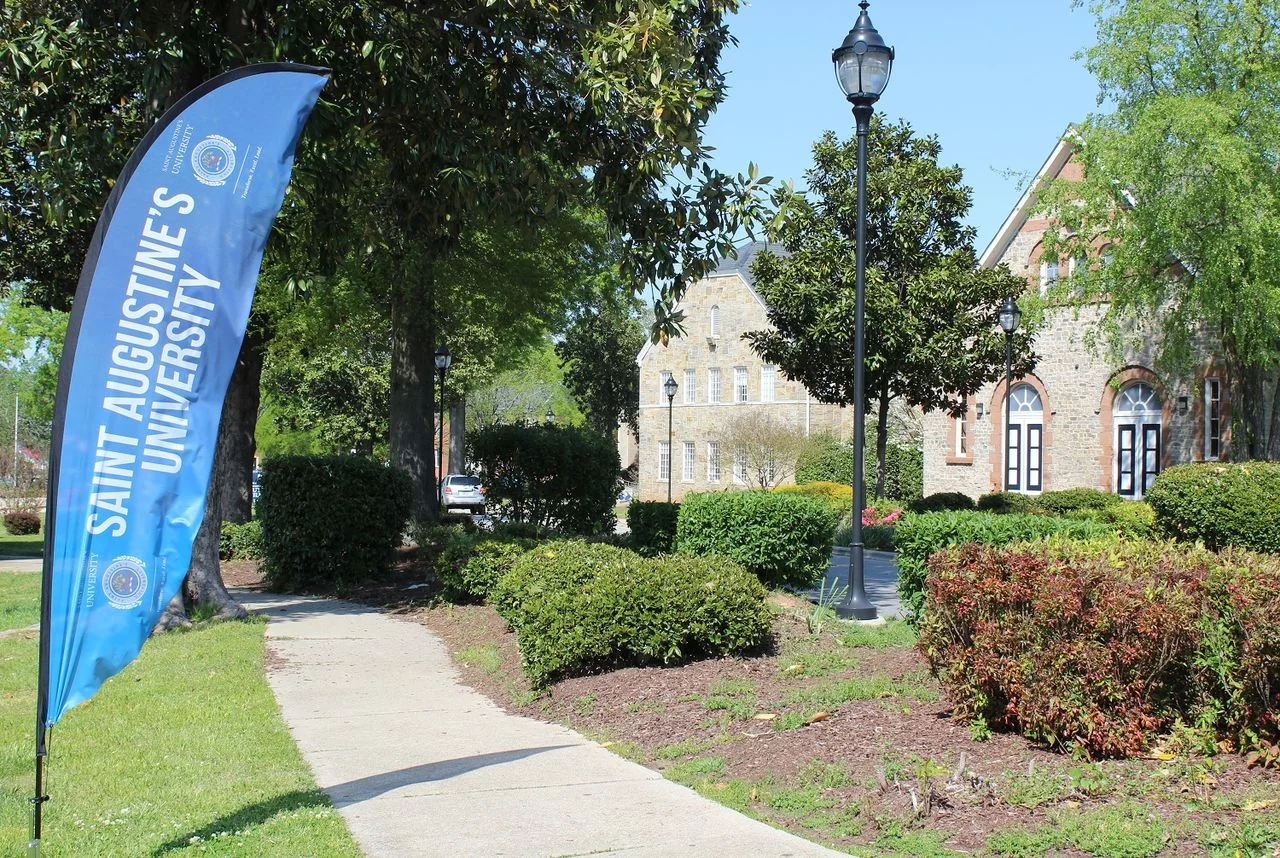
- St. Augustine’s University is one of the many HBCUs struggling with accreditation issues and debt, representing a broader challenge for these institutions.
- The ability to reject problematic donations on ethical grounds is a privilege that reflects existing inequalities between different educational institutions.
Two Worlds Apart: Elite Institutions vs. HBCUs
Harvard University and MIT, with their vast endowments, can afford to be selective about which donations they accept. Harvard’s $50 billion endowment dwarfs the combined total of all 102 HBCUs, which together have an endowment worth approximately $4 billion. This stark contrast is emblematic of a two-tier system in higher education where some institutions can maintain ethical standards while others struggle to survive.
When elite universities such as Cornell, Yale, and Columbia decided to reject donations from the Sackler family after learning about their involvement in the opioid crisis, or when MIT placed a professor on paid administrative leave due to Epstein’s funding of his research, they were able to do so without compromising their financial stability. These institutions can afford to be vocal about donor ethics because they have the resources to engage in elaborate vetting processes and policy reforms.
Survival Dilemmas for HBCUs
In stark contrast, historically Black colleges and universities (HBCUs) face an existential crisis when it comes to accepting donations. St. Augustine’s University, a pioneer among HBCUs in expressing interest in Trump’s Academic Excellence Compact despite its conflicting terms with the institution’s statutory purpose, exemplifies this struggle.
Florida A&M University lost a $16.3 million federal grant in March 2025 due to the Trump administration’s cuts aimed at diversity and equity programs.
This loss, coupled with the fact that 54% of Black colleges’ total revenue depends on federal and state funds compared to just one-third for other institutions, puts HBCUs in a precarious position. The potential withdrawal or threat of federal funding can mean the difference between staying open and closing their doors.
Johnson C. Smith University, which receives around $10 million annually from federal research grants, is another example of an institution fighting to maintain its financial health amidst policy changes that could jeopardize these funds. As administrators grapple with how to keep the lights on, questions about donor ethics become secondary concerns in their daily operations.
The Ethical Paradox and Systemic Inequality
The ethical dilemma faced by HBCUs is not just a matter of financial survival but also reflects broader issues of systemic inequality. The ability to reject problematic donations on principle is a luxury that HBCUs cannot afford due to their chronic underfunding. Four states have underfunded HBCUs by between $1.1 billion and $2.1 billion over the last three decades, while other states underfund them by lesser amounts but still significantly.
When funding comes with strings attached or questionable origins, institutions like HBCUs are forced to make difficult choices that wealthier universities can sidestep.
The real scandal is not about whether HBCUs would reject problematic donors if they could; it’s about why they must accept donations in the first place when their survival depends on such compromises.
The debate over controversial donations reveals an uncomfortable truth: we have created a higher education system where some institutions can afford ethical standards while others struggle to meet basic operational needs. The real ethical failure is not that some universities accept problematic donations but that we have built a system where institutional survival itself demands compromises that wealthier institutions never face.
As elite universities continue to debate the nuances of donor vetting and gift acceptance policies, HBCUs are fighting for their very existence. This disparity in options highlights the need for systemic changes in higher education funding to ensure all institutions can operate with both financial stability and ethical integrity.


