
Key Highlights
- UK’s first small modular reactor (SMR) power station to be built on Anglesey, Wales.
- The project aims to generate power by the mid-2030s and will bring up to 3,000 jobs and billions of pounds of investment.
- The plant at Wylfa will have three SMRs and potentially hold up to eight reactors in total.
- Prime Minister Sir Keir Starmer and First Minister Eluned Morgan welcomed the announcement as a significant development for Wales.
New Nuclear Power Station Set for Anglesey, Wales
The UK is poised to make a historic leap into the realm of small modular reactors (SMRs) with the announcement that Great British Energy-Nuclear will construct the country’s first SMR power station on Anglesey. This development marks a significant shift in the nation’s energy landscape and promises substantial economic benefits for the region.
A Promising Future for Anglesey
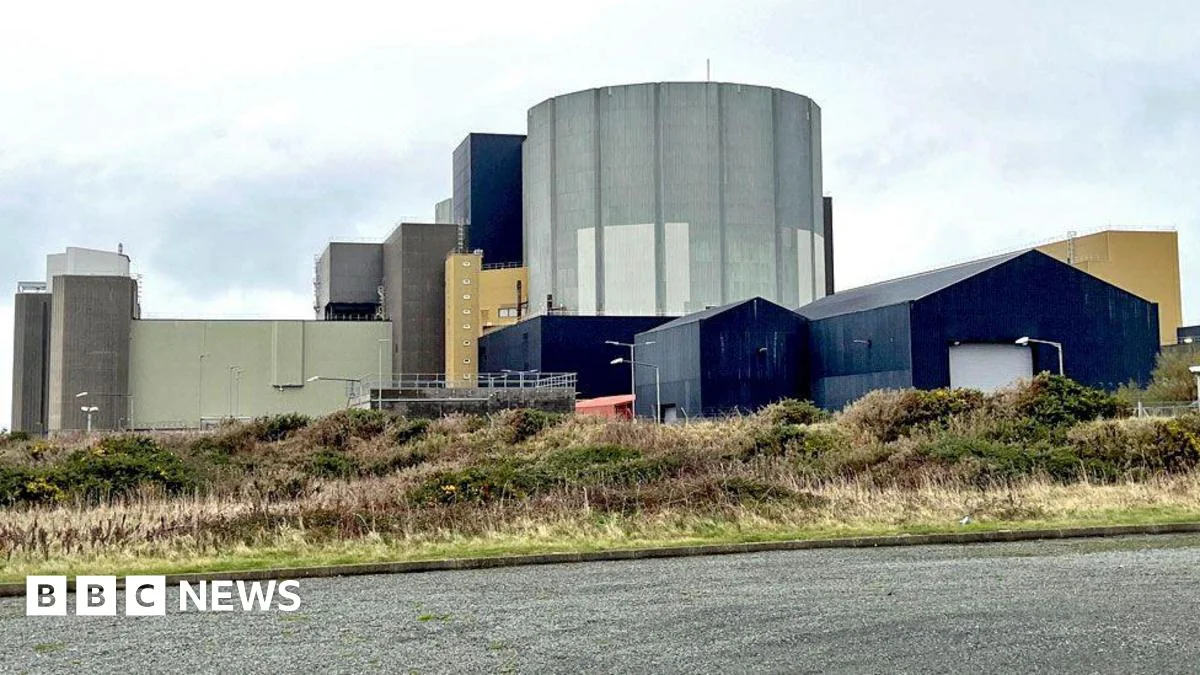
Great British Energy-Nuclear, a publicly owned company, is leading this ambitious project at Wylfa, an existing site on the northern coast of Anglesey. The power station will feature three SMRs, each capable of generating electricity in a modular fashion—similar to how flat-pack furniture from IKEA can be assembled step-by-step. These reactors are expected to provide power equivalent to about three million homes by mid-2030s.
The project is backed by a significant investment of £2.5 billion from the UK government, aimed at ensuring energy independence and boosting local economic growth through job creation. According to Simon Bowen, chair of Great British Energy-Nuclear, this decision is “a historic moment for the UK” as it lays the groundwork for a fleet-based approach to nuclear development.
Local and Political Support
The announcement was warmly received by both local politicians and government officials. First Minister Eluned Morgan expressed her satisfaction, emphasizing the project’s potential benefits for Anglesey. “This is the moment Ynys Môn and the whole of Wales has been waiting for,” she stated.
Prime Minister Sir Keir Starmer also highlighted the importance of this development. “Britain was once a world leader in nuclear power, but years of neglect have meant places like Anglesey have been let down and left behind. Today, that changes.” This project not only aims to address energy independence but also promises significant economic benefits, including up to 3,000 jobs.
Competing Visions for Energy
The SMR plans come with their share of challenges and criticisms. The decision has been met with some skepticism from the US ambassador Warren Stephens, who expressed disappointment over the choice not to pursue a large-scale plant at Wylfa. He emphasized that large-scale nuclear projects are more efficient in terms of addressing energy prices and availability.
Opponents argue that renewable energy sources like wind, wave, and tidal power should be prioritized instead. Dylan Morgan from People Against Wylfa-B highlighted the unproven nature of SMR technology, stating it is “an unnecessarily big development.” Nonetheless, the government remains committed to this project, viewing it as a secure, reliable, and low-carbon energy system.
Next Steps and Future Prospects
The road ahead for Wylfa is far from smooth. Regulatory approvals, construction of factories needed for SMR production, and workforce training are just some of the hurdles to overcome. Moreover, there remain unresolved issues such as long-term storage facilities for nuclear waste.
Great British Energy-Nuclear will also be tasked with identifying potential sites for another large-scale nuclear power plant, similar to those being built at Hinkley Point in Somerset and Sizewell in Suffolk.
By autumn 2026, the company must report back on its findings, considering sites across the UK.
The decision to opt for SMRs at Wylfa is part of a broader strategy to revitalize the nuclear sector in the UK, with significant implications for both Anglesey and national energy policy. As the project moves forward, it will undoubtedly shape the future of Wales’ energy landscape and its relationship with nuclear technology.


