
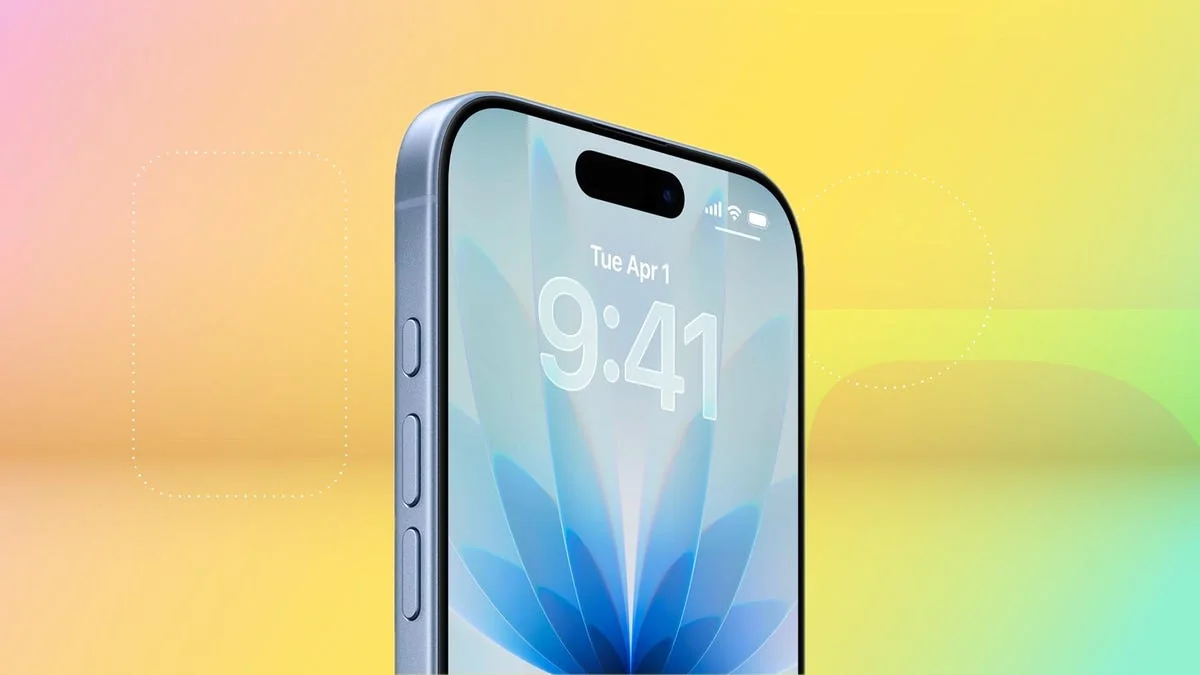
Key Highlights
- The iPhone 17 features a larger display and improved camera capabilities compared to its predecessors.
- A new anti-reflective coating and higher peak brightness make the screen slightly easier to see outdoors.
- Battery life is incrementally better, supporting up to 8 hours more video playback than the iPhone 16.
- The iPhone 17 starts at 256GB storage, significantly upgrading the entry-level model from previous years.
The New Baseline Model
Apple Inc., a leading tech company, continues to refine its smartphone lineup with the release of the iPhone 17. This year’s base model comes packed with notable upgrades that make it stand out in comparison to previous years’ versions.
New Display and Camera Features
The iPhone 17 introduces several visual enhancements over last year’s iPhone 16, including a larger display of 6.3 inches versus the 6.1-inch screen on its predecessor. This minor increase in size makes viewing content more immersive but is unlikely to be noticed by most users unless they are particularly detail-oriented.
Display technology has also seen improvements with a 1-120Hz refresh rate, offering smoother scrolling and an always-on display feature without requiring the costly Pro models. Additionally, an anti-reflective coating and higher peak brightness of 3,000 nits ensure that users can enjoy better visibility in bright outdoor conditions.
Camera Upgrades
The camera system on the iPhone 17 has undergone significant improvements with a bump from 48-megapixel wide-angle to ultrawide cameras and an increase from 12 megapixels to 18 megapixels for the front-facing lens. These upgrades promise sharper photos and better selfies, enhancing user experience in both indoor and outdoor settings.
Key features like Center Stage can automatically adjust between portrait and landscape orientations, ensuring that everyone is captured in group shots without manual phone rotations. Dual Capture allows simultaneous recording from the front and rear cameras, providing users with more versatile video options.
Battery Life and Charging
The iPhone 17 boasts improved battery life compared to its predecessor, with Apple stating it can support up to 8 hours more of video playback than the iPhone 16. According to CNET’s battery tests, a 3-hour streaming test showed that the iPhone 17 dropped from 100% to 89%, while the iPhone 16 hit 86%. This small but noticeable improvement in battery performance can be significant for heavy users.
Charging capabilities have also seen an upgrade with support for up to 40 watts, a boost over the 25-watt charging provided by the iPhone 16. This faster charging option means that users can top off their batteries more quickly and efficiently, enhancing overall convenience.
Comparison with Older Models
The iPhone 17 offers several incremental improvements over older models like the iPhone 14, 15, and even the entry-level model from last year. While these updates may not be drastic enough to prompt an immediate upgrade for some users, they do provide noticeable enhancements that can make a difference in daily usage.
For instance, the transition from Lightning to USB-C charging ports on the iPhone 17 means users won’t have to rely on outdated and limited-use cables. Similarly, features like crash detection, satellite connectivity, and Apple Intelligence are now available at the entry-level model, making these capabilities more accessible to a wider range of consumers.
Conclusion
The Case for Upgrade
While the iPhone 17 offers compelling new features, particularly in display technology and camera capabilities, whether upgrading is necessary depends largely on individual needs. For those looking for a smoother display experience or faster charging, the iPhone 17 could be worth considering.
However, if your current iPhone 16 or even older models are functioning well within acceptable parameters, there may not be an immediate need to upgrade. The incremental improvements suggest that many users can continue to enjoy their devices for a few more years without feeling left behind technologically.
The decision ultimately comes down to personal preference and whether the new features align with your priorities in smartphone use. As technology continues to evolve, staying informed about these advancements helps consumers make well-informed decisions when it comes to upgrading or maintaining their current devices.


