
Key Highlights
- San Siro officially becomes the property of Inter and Milan.
- The deal was completed on November 10, with a rogito (contract) signed for the transfer of ownership.
- The total price is €197 million, paid in phases, including a first tranche of around €100 million.
- There are ongoing investigations by the Milan Procura regarding the auction process.
Ownership Change at San Siro
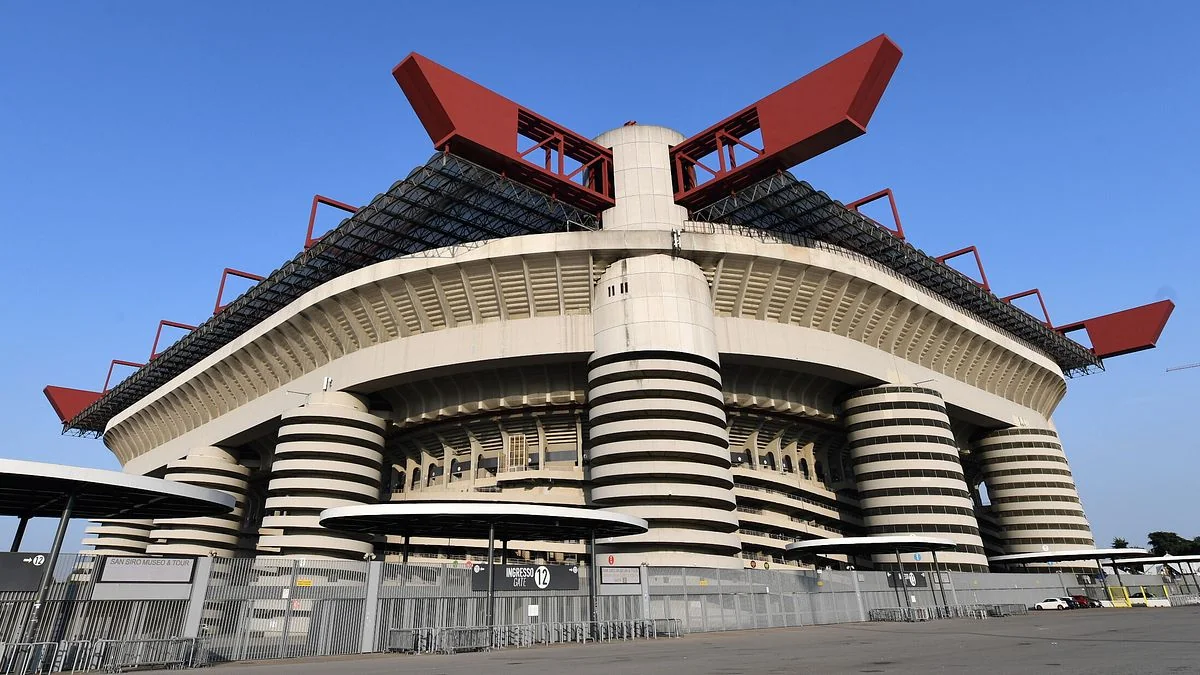
The iconic San Siro stadium in Milan has undergone a significant transformation, officially becoming the property of AS Milan and AC Milan. This monumental change was sealed with the signing of a rogito (contract) on November 10, marking a historic day for the city.
Financial Details
The transaction involves a total price of €197 million, which will be paid in installments. The first phase saw the payment of approximately €100 million, inclusive of VAT and previously outstanding debts. This financial structure ensures that both clubs can manage the transition smoothly.
Timeline and Bureaucratic Process
The goal was to finalize the sale by November 10 to avoid a technical constraint that would have prevented the demolition of the stadium, which is crucial for the planned new project. This deadline was initially set but faced delays due to “technical issues between the companies more than with the Municipality,” as stated by Milan Mayor Giuseppe Sala.
Impact on Club Operations
The sale allows for the commencement of a future project, detailed in a dossier presented in March. This project aims to restructure and manage the stadium while possibly maintaining its operations even if the football clubs are not present. Additionally, this deal coincides with the second convocation of Milan’s shareholders’ assembly, ensuring that the old administrative council remains in charge for completing the sale process.
Legal and Investigative Context
The purchase has sparked investigations by the Milan Procura regarding potential irregularities during the auction process. Claudio Trotta, a founder of the Sì Meazza committee, was interrogated on this matter. Trotta had previously expressed his frustration over tight deadlines that prevented him from submitting an offer for the stadium.
In a letter to Mayor Sala, Trotta detailed multiple meetings with Sala and other city officials since 2019, discussing alternative solutions such as restructuring and managing the stadium without demolition. These discussions highlight the complex negotiations surrounding the San Siro ownership change.
This intricate process underscores the significant changes occurring in one of Italy’s most prestigious stadiums, impacting not only sports but also local governance and urban planning initiatives.


