
Key Highlights
- A nationwide drone competition in China showcased the depth and breadth of young people’s participation in uncrewed technology.
- The event highlighted Beijing’s drive for advancements in uncrewed systems and national defence education.
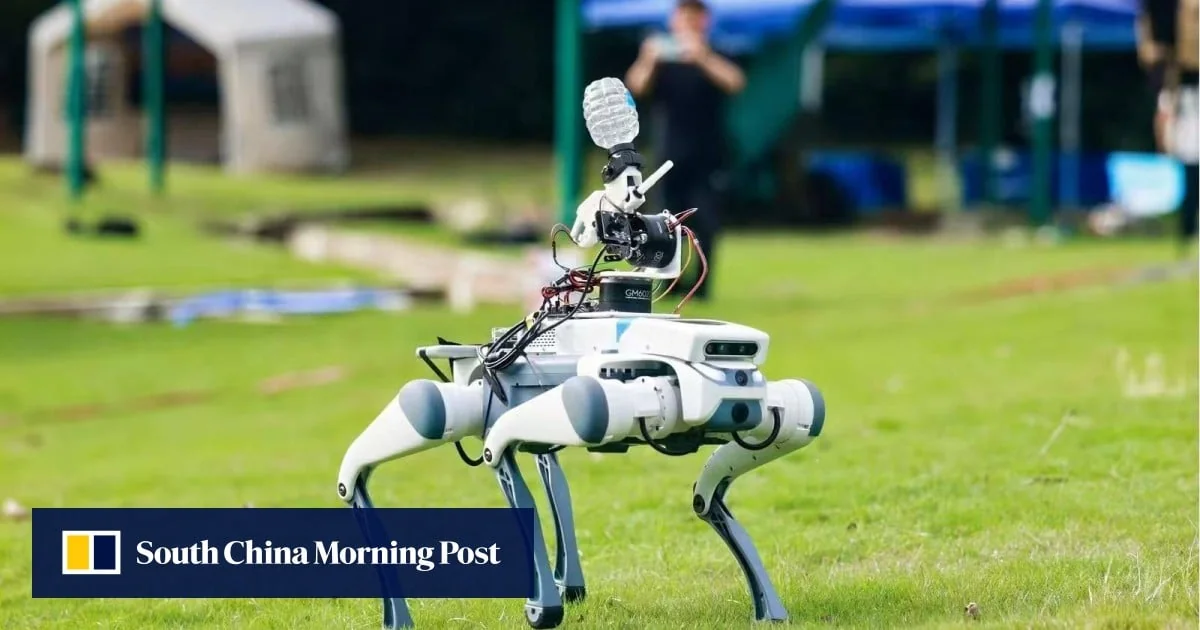
- Competitors demonstrated advanced autonomous technologies, such as patrol-and-strike robot dogs.
- Xi Jinping has prioritized technological innovation and its military applications.
The Rise of Uncrewed Technology in China
In a significant development that highlights China’s growing focus on uncrewed technology, the country recently hosted a nationwide drone competition. This event, part of the National Youth Intelligent Unmanned Systems Application Competition, brought together more than 200 teams from 106 universities for its final round in Shanghai. The competition aimed to foster technological talent among young people and promote deeper understanding of national defence.
Competitive Participation and Advanced Technologies
The event featured diverse elements of uncrewed technology, including ground-based counter-drone swarms, air-ground confrontations, and joint support operations—elements integral to Chinese military training. One notable entry was an autonomous patrol-and-strike robot dog designed by students from Changchun University in Jilin province. This innovative device combined the agility and intelligence of dogs with advanced visual search technology for reconnaissance and strike missions.
Government Support and Strategic Implications
The nationwide drone competition is part of broader efforts to integrate uncrewed systems into China’s military strategy. Chinese President Xi Jinping has repeatedly emphasized the importance of technological innovation, particularly in areas that can be applied militarily. His vision includes the integration of high-end technology into “new-quality combat forces,” recognizing their critical role in future conflicts.
At China’s 20th Communist Party Congress in 2022, Xi called for accelerating capacity building in uncrewed and intelligent warfare.
This push has spurred both large state-owned enterprises and smaller private companies to invest in hardware development and acquisition for the military. The strategy aligns with China’s broader military-civil fusion approach, which aims to leverage civilian technological advancements for military use.
Education and National Defence Awareness
The nationwide drone competition is part of a larger effort to educate young people about national defence through technology. During China’s fourth plenum last week, the party leadership reiterated its commitment to significantly improving defence and technology capacity by 2035 and achieving centenary goals for the People’s Liberation Army (PLA) by 2027.
Amber Wang, a reporter for SCMP, notes that emerging technologies like artificial intelligence, big data, and cloud computing are increasingly important in promoting defence education. The integration of these tools could help shape future military contributions from China’s young population.
The nationwide drone competition underscores Beijing’s strategic vision to enhance its technological capabilities through innovation and the active participation of its youth in national defence initiatives. As China continues to invest in uncrewed technology, it is likely that such competitions will become more frequent, contributing to the development of a technologically advanced and militarily capable force.


