
Key Highlights
- Dissent in China is on the rise with over 5,000 documented cases by CDM in 2025.
- The majority of protests are due to economic grievances.
- Protesters face swift government intervention and camera seizures.
- Data shows a 48% increase in protest incidents from the previous year.
Dissent on the Rise: China’s Struggling Workers Speak Out
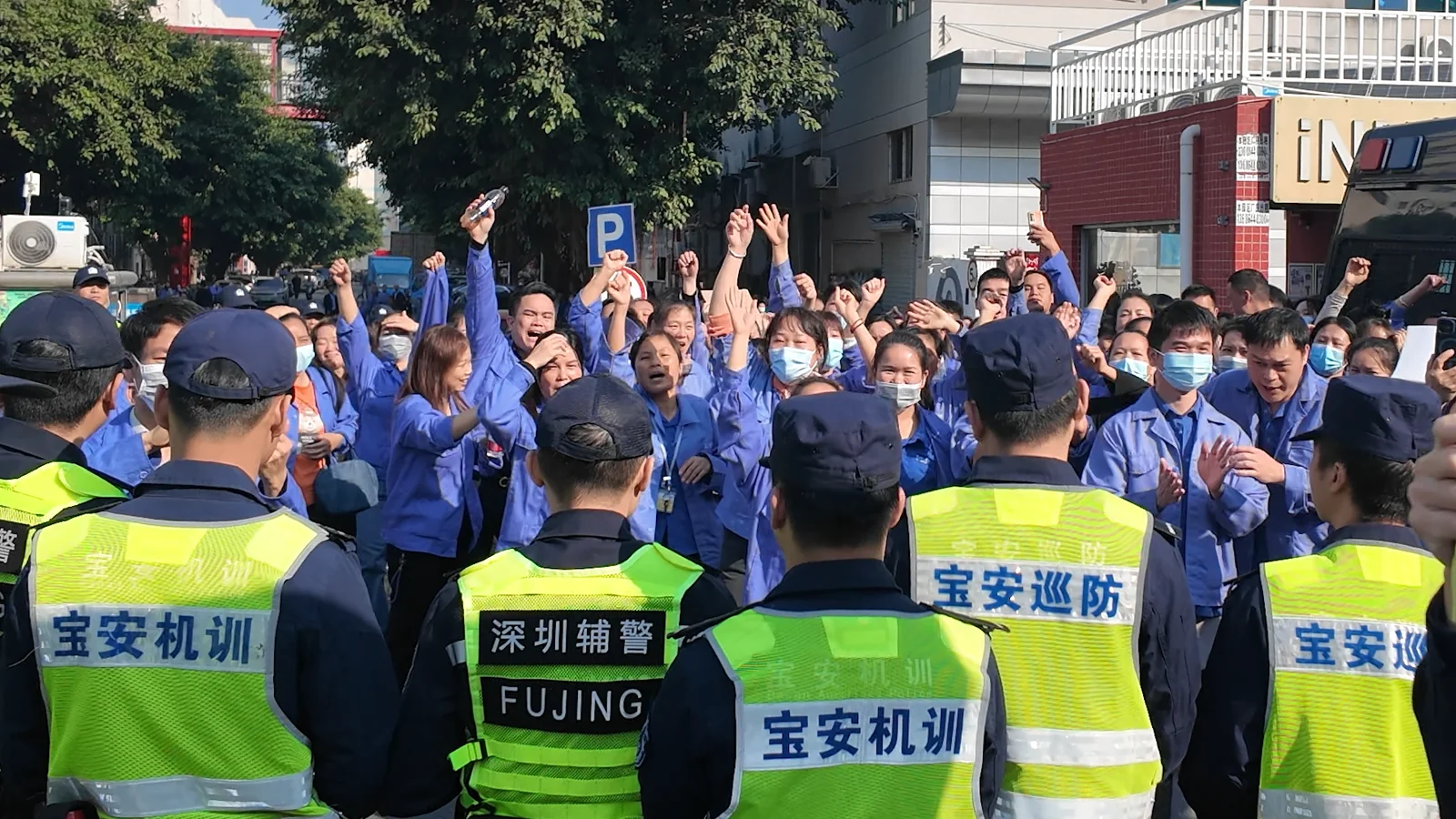
In an industrial corner of Shenzhen, hundreds of factory workers gathered to voice their grievances. This scene is not uncommon, but it highlights a growing issue in China: dissent among its population. As foreign media from Sky News approached this group, they were swiftly met with authorities’ intervention, including the seizure of cameras and forced removals.
Protests Amid Economic Struggles
The workers at Yi Li Sheng’s factory in Shenzhen manufacture audio equipment such as headphones. According to Helen-Ann Smith, Asia correspondent for Sky News, these workers are protesting against a reduction in their hours and take-home pay that no longer covers basic costs in an expensive city like Shenzhen.
“Last month my wages were only 1900RMB (£200),” one woman told us, wiping tears from her eyes. “It’s impossible! How can you survive in Shenzhen on that wage!”
Government Crackdown and Hidden Protesters
The Chinese government has a well-established system to suppress dissent, making it difficult for protesters to document their struggles. According to Kevin Slaten from the China Dissent Monitor (CDM), which is an arm of US-based NGO Freedom House, there were over 5,000 cases in 2025 and incidents have dramatically increased by 48% compared to the previous year.
Protesters face swift government intervention. “We were physically unharmed but, in the moment, the treatment was frightening,” Smith recounted. “This is a sign of just how much this country does not want its dissent to be seen.”
Complex Reasons Behind Protests
The reasons behind these protests are varied and complex. Economic grievances make up 85% of documented incidents since June 2022, according to CDM data. However, other issues such as unpaid wages, rural land disputes, school system perceptions, and homeowners facing unfulfilled property promises also contribute.
“The Chinese people are very, very knowledgeable about their own country and how it works when it comes to politics,” Slaten explained. “They know that the Communist Party has complete control.” Despite this knowledge, many people still express dissatisfaction openly, often risking significant consequences.
Conclusion
The Silent Battle for Rights in China
The struggle for rights and recognition among Chinese citizens is a silent battle. While some manage to document their protests through hidden accounts like “Teacher Li is Not Your Teacher,” the majority face swift government intervention and censorship. As data suggests, the number of incidents is rising, indicating a growing dissatisfaction with the current socio-economic conditions in China.
For now, the fight for recognition continues in the shadows, highlighting the tension between the Chinese people’s desire to be heard and the government’s efforts to maintain control over dissenting voices.
This article aims to provide an authentic, humanized perspective on the rising dissent in China, ensuring all factual information aligns exactly with the original content while offering a detailed analysis of the situation.


