
Key Highlights
- About 30,000 properties across Kent and Sussex are currently without water or experiencing intermittent supply issues.
- South East Water blames the recent cold weather for the issue, leading to leaks and bursts in water storage tanks.
- Kent County Council has declared a major incident due to the water crisis.
- Local MPs have called for South East Water CEO David Hinton’s resignation over repeated failures.
- The company is working on restoring supplies by increasing water storage, repairing leaks, and distributing bottled water to affected areas.
South East Water Faces Major Water Crisis in Kent and Sussex
About 30,000 properties across Kent and Sussex remain without water or are experiencing intermittent supply issues as of January 12, 2024. The water crisis has caused significant disruptions, affecting residents’ daily lives and local businesses.
South East Water Blames Cold Weather for the Issue
South East Water has cited recent freezing weather conditions as the primary cause of the widespread water issues. The cold temperatures have led to leaks and bursts in water storage tanks, resulting in low pressure and intermittent supply interruptions for thousands of customers.
Kent County Council Declares Major Incident
In response to the ongoing crisis, Kent County Council has declared a major incident. This declaration highlights the severity of the situation and indicates that local authorities are taking steps to address the issue swiftly. The council is also preparing for potential further disruption in the coming days.
Political Pressure on South East Water
The water crisis has drawn significant attention from local politicians, who have called for action. Two Conservative MPs, Tom Tugendhat and Helen Grant, have joined forces to publish a joint letter calling for the resignation of South East Water’s CEO, David Hinton. This move adds pressure to an already beleaguered chief executive.
MP Mike Martin from Tunbridge Wells has also made repeated calls for Hinton’s resignation due to the company’s failure in recent months. The situation is particularly concerning as it marks the latest in a series of supply failures, leading many to question South East Water’s ability to manage its infrastructure effectively.
South East Water’s Response and Action Plan
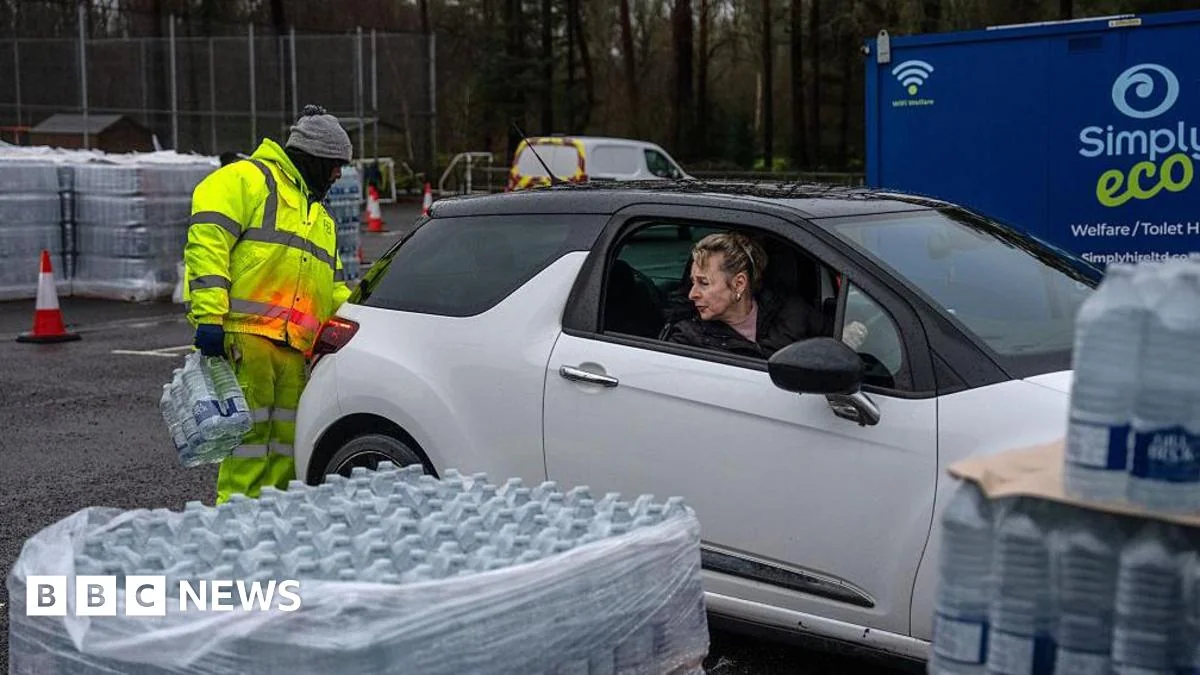
In response to the crisis, South East Water has issued an updated statement. The company is working on restoring supplies by increasing water storage through tankers, repairing leaks and bursts across Kent and Sussex, and providing bottled water to customers in need.
Incident manager Matthew Dean said: “We’re sorry to our customers who are experiencing issues with their drinking water supply, including no water, intermittent supply interruptions or low pressure. Following the recent cold weather and a subsequent breakout of leaks and bursts across Kent and Sussex, our drinking water storage tanks are running very low and there are currently around 30,000 impacted properties across the two counties.”
He further stated that their water treatment works continue to operate at full capacity, and tankers are pumping water directly into the storage tanks and network. The company is also supporting hospitals with tankers and providing bottled water for care homes, schools, medical care providers, and livestock.
Challenges Faced by Residents and Businesses
The water crisis has posed significant challenges to both residents and businesses in the affected areas. Many have reported issues such as no water for showers, flushing toilets, or washing dishes. Catherine, a resident of Tunbridge Wells, explained that her family had not showered for nearly a week due to limited water supply.
Local businesses, including Blackland Farm Outdoor Centre near East Grinstead, are also struggling.
The campsite is offering its facilities and showers to locals without water, but the situation remains difficult. Mark Sinclair, one of the directors at the site, said: “Our residential properties don’t have water, but one of our accommodation blocks is fed from a 33,000 litre water tank. It’s got enough water in to definitely last until the end of the week.”
The company has also set up emergency water distribution points and issued an updated list of bottled water stations across the region, which will be open until 22:00 GMT.
Future Implications
This latest crisis marks a significant challenge for South East Water, as it highlights ongoing issues with infrastructure resilience. The company’s inability to manage supply failures effectively has led to increased scrutiny and calls for action from local politicians and the public. As the situation continues to unfold, there are concerns about the long-term implications for water management in the region.
Water Minister Emma Hardy has stated that water supply issues in the South East and South West are “entirely unacceptable” and have called for urgent action to restore supplies as quickly as possible, prioritizing vulnerable customers and essential public services. This crisis is likely to prompt further discussions on infrastructure investment and resilience in the region.


