
Key Highlights
- The congestion charge fee is increasing from January 2, 2026.
- New cleaner vehicle discounts are introduced for electric vehicles.
- Ongoing works on the Piccadilly line will introduce new trains in 2026.
- Proposals for pedestrianizing Oxford Street between Orchard Street and Great Portland Street are being considered.
New Congestion Charge Rates and Cleaner Vehicle Discounts
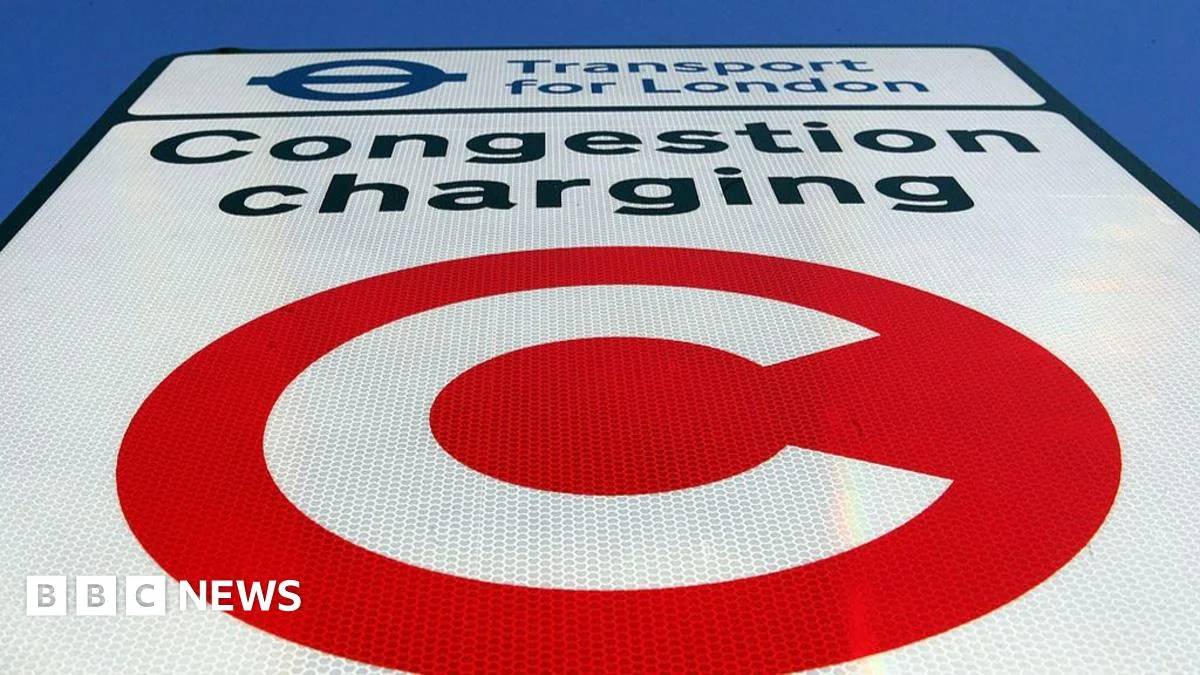
Starting January 2, 2026, London’s congestion charge fee will see an increase. The standard daily fee for those paying in advance or on the day of travel is rising from £15 to £18. For those who pay within three days after their journey, the cost escalates further to £21.
Drivers using electric vehicles (EVs) can now enjoy a 25% discount starting January 2, 2026, reducing the daily charge for EV cars registered on Auto Pay from £13.50 when paying in advance or on the day of travel.
A 50% discount is available for electric vans, heavy goods vehicles (HGVs), and quadricycles. These vehicles will see their charges drop to £9 per day.
Interestingly, there’s a new cleaner vehicle discount for EV car club members who use their cars within the congestion charge zone. This discount applies if they pick up and return their vehicle to the same bay. The 100% Cleaner Vehicle Discount ends on December 25, 2025.
By March 4, 2030, the cleaner vehicle discounts will be reduced to a 12.5% discount for electric cars and a 25% discount for electric vans, HGVs, and quadricycles registered on Auto Pay.
Ongoing Works on Transport Infrastructure
Transport for London (TfL) is set to replace the fleet of 1970s trains on the Piccadilly line. The ambitious plan aims to introduce the first new train between July and December 2026, allowing for an increase in train frequency during peak hours.
A range of upgrades are planned, including improving power systems, adjusting platform edges, and installing CCTV cameras. TfL has scheduled weekend closures at various points throughout January, March, and April to carry out these works, anticipating significant disruption.
Proposed Pedestrianization of Oxford Street
TfL took over ownership of Oxford Street in September 2025 from Westminster City Council. The street is a bustling hub with half a million visitors daily but performs poorly compared to nearby areas in terms of customer spending.
The mayor, Sadiq Khan, has proposed pedestrianizing the road between Orchard Street and Great Portland Street. These plans hinge on establishing a new mayoral development corporation (MDC) that would oversee planning and development in the area.
So far, the plan has received government backing and is being further developed with public consultations running until January 16.
Subject to the outcome of these consultations, delivery of the scheme could begin in the second half of 2026. TfL emphasizes that the proposal is subject to final approval by relevant authorities.
Ongoing Projects
TfL has been working on replacing roundabouts at both ends of Lambeth Bridge with traffic lights, alongside structural improvements and pedestrian/cycle lane enhancements. The project will continue until June 2026, with narrow lanes and occasional night-time closures expected.
The road improvement scheme on the A23 Streatham Hill is progressing in 2026, set to conclude by spring 2027. This includes creating protected cycle lanes and dedicated bus lanes in both directions, as well as implementing lane restrictions in both directions.
These changes and improvements are crucial for London’s transport network. They reflect TfL’s commitment to enhancing the city’s infrastructure and addressing environmental concerns through cleaner vehicle incentives and sustainable urban planning.


