
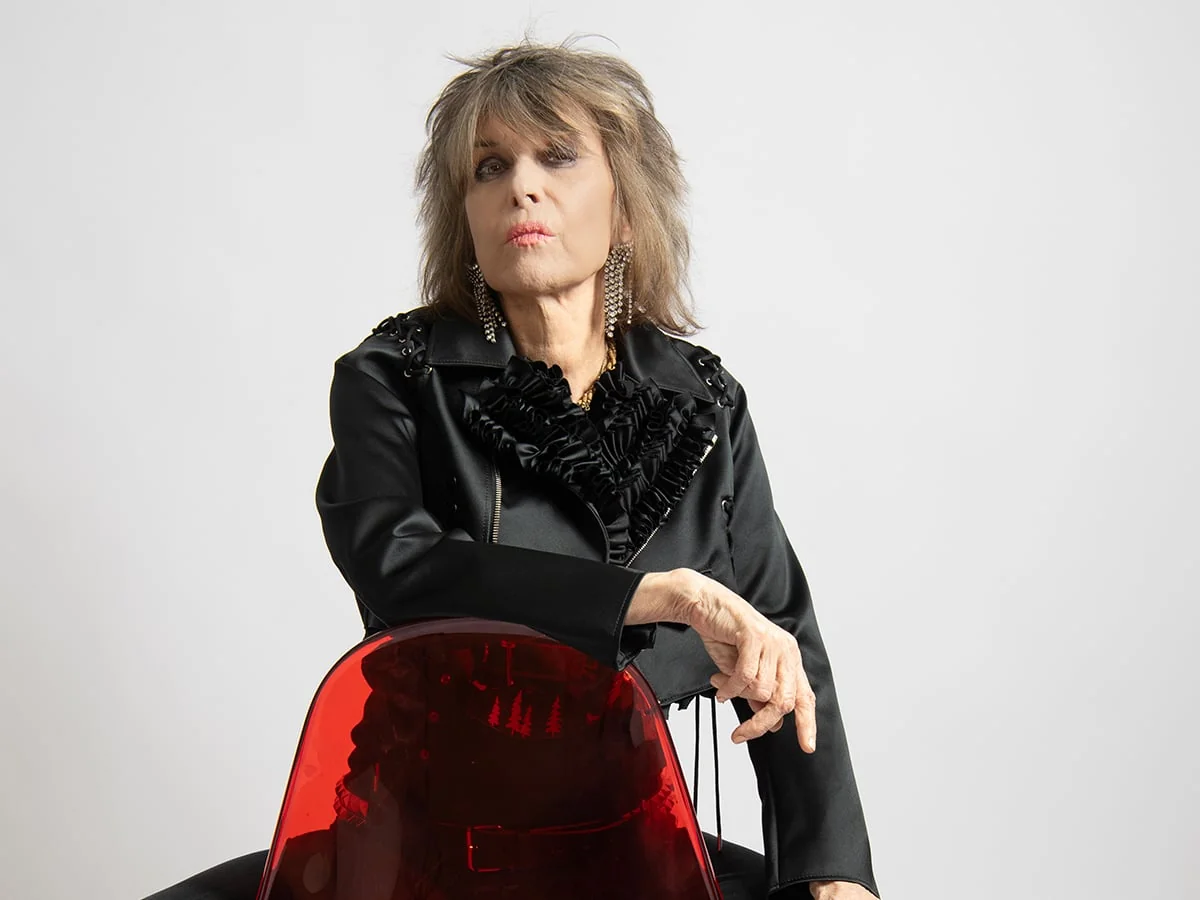
Key Highlights
- Chrissie Hynde defines punk rock as “refreshing and interesting,” emphasizing its role in self-expression.
- Punk music was more than just a means to fight against the establishment; it was about freedom of expression for marginalized groups, especially women.
- Hynde discusses her experience in the punk scene, highlighting how it provided a platform for female musicians to thrive despite societal norms.
- The term “squelching session” was used within the punk community to describe casual sexual encounters, which Hynde describes as impersonal and not indicative of romantic relationships.
Unveiling the Essence of Punk: Chrissie Hynde’s Perspective
Musicians like Chrissie Hynde have often been pivotal in shaping our understanding of genres that transcend their initial definitions. Recently, she shared her insights on what punk rock truly means, emphasizing its significance beyond mere rebellion and chaos.
Defining Punk: More Than Just Anarchy
“Punk rock is not just about anarchy; it’s about freedom,” Hynde asserts, echoing a sentiment often attributed to Kurt Cobain. For Hynde, punk represented a profound shift towards personal expression—a space where individuals could freely explore their identities without the restrictive confines of societal expectations.
Punk as a Platform for Women
The punk scene provided a unique opportunity for women like Hynde to gain respect and recognition in an industry often dominated by male figures. “Punk wasn’t just about freedom; it was about being completely and unapologetically yourself,” she explains, highlighting the community’s non-discriminatory ethos.
Hynde continues, “Not at all. In fact, what punk was about was non-discrimination. And that’s why I started trying to get a band together because I knew that it wouldn’t be a novelty that I was a chick.” This statement underscores the inclusive nature of punk, which allowed female musicians to break barriers and gain acceptance.
Inside the Punk Community
Hynde’s description of the punk community paints a vivid picture of its unconventional norms. “It wasn’t about sex either, which was really refreshing and interesting,” she recalls. The term “squelching session” refers to casual sexual encounters within the scene, described by Hynde as impersonal and lacking in romantic significance.
She elaborates, “People had sex, but it was referred to as a ‘squelching session.’ You weren’t really having relationships. Johnny Rotten would come over to my squat and he would spend the night, but there was never anything sexual going on.” This insight into the community’s social dynamics provides a glimpse into the authenticity and freedom that defined punk culture.
Implications for Contemporary Musicians
The lessons from Hynde’s experience in the punk scene extend far beyond its historical context. Her perspective emphasizes the enduring value of creating spaces where artists can express themselves freely, without fear of judgment or prejudice. This ethos continues to resonate in today’s music industry, reminding us that true freedom lies not only in breaking rules but also in fostering inclusive communities.
As we look back at Hynde’s career and her contributions to punk rock, it becomes clear that the genre remains a powerful force for change. By understanding its roots and embracing its core principles, musicians today can continue to push boundaries and challenge societal norms in meaningful ways.


