
Key Highlights
- The indie game Clair Obscur: Expedition 33 lost its Game of the Year and Debut Game awards at the Indie Game Awards due to the use of generative AI assets.
- The game initially launched with AI-generated background assets, which were quickly patched out but still prompted a retraction of its awards by the Indie Game Awards.
- Developer Sandfall Interactive and publisher Kepler Interactive had previously admitted using minimal amounts of gen AI in developing the game.
- The decision to disqualify Clair Obscur: Expedition 33 highlights the growing scrutiny on developers’ use of generative AI tools in their creations.
Clair Obscur: The Rise and Fall of a Controversial Game
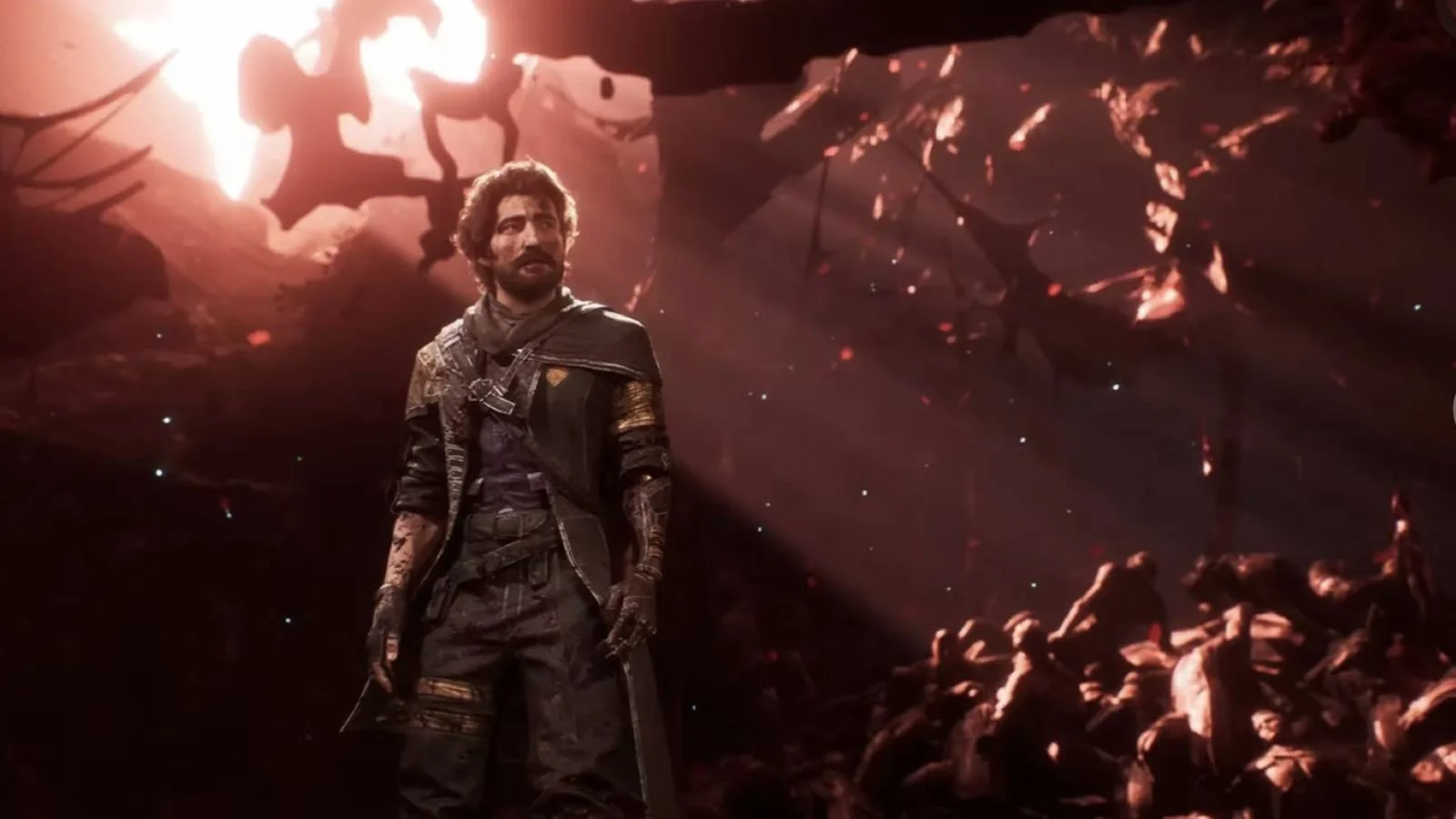
In an unexpected turn of events, the indie game Clair Obscur: Expedition 33 was stripped of its Game of the Year and Debut Game awards at the Indie Game Awards. This decision came after the game’s initial launch included some AI-generated background assets that were swiftly removed in a patch update.
Initial Launch and Patch
The controversy began with Clair Obscur: Expedition 33 launching with what some speculated to be AI-generated textures. According to the developers, Sandfall Interactive, these assets were later replaced with custom ones through a quick patch five days after release. Despite the swift removal of the initial assets, user reports on platforms like X and Reddit highlighted their presence, though awareness remained limited.
Developer’s Admission and Industry Scrutiny
Sandfall Interactive had previously acknowledged using minimal amounts of generative AI in developing Clair Obscur during an interview with Spanish outlet El País. In the interview, François Meurisse, a representative from Sandfall Interactive, stated, “We used some AI, but not much,” adding that technology allowed them to achieve what was once unthinkable.
Meurisse’s comments came amidst a broader discussion in the gaming industry about the use of generative AI. Larian Studios’ Swen Vincke had earlier sparked debate when he revealed that his studio is using AI tools for the development of upcoming titles, reigniting discussions on ethical and practical boundaries.
The Impact of Disqualification
The decision to disqualify Clair Obscur: Expedition 33 from its awards not only affected its developers but also set a precedent in the industry. The Indie Game Awards explained that representatives from Sandfall Interactive initially confirmed no gen AI was used when submitting for award consideration, but upon confirmation of AI assets being present during the premiere, it disqualified the game.
In response to the retraction, the Indie Game Awards will now honor two other games in the categories Clair Obscur won. The Debut Game award will go to We’re Closed, while the Game of the Year will be awarded to Blue Prince.
The Broader Implications for Generative AI in Gaming
This incident underscores the growing need for transparency and ethical considerations surrounding the use of generative AI in game development. As more developers explore these tools, questions arise about their integration into creative processes without compromising integrity or authenticity.
Industry experts argue that while gen AI can offer innovative solutions, its usage must be carefully managed to avoid such controversies. The decision by the Indie Game Awards highlights the delicate balance between embracing new technologies and maintaining industry standards and expectations.
As Clair Obscur: Expedition 33’s story unfolds, it serves as a reminder for developers and publishers to navigate the complex landscape of AI in gaming with caution and transparency, ensuring that their creations meet both creative and ethical benchmarks.


