
Key Highlights
- Ashes controversy continues with Snicko technology facing criticism.
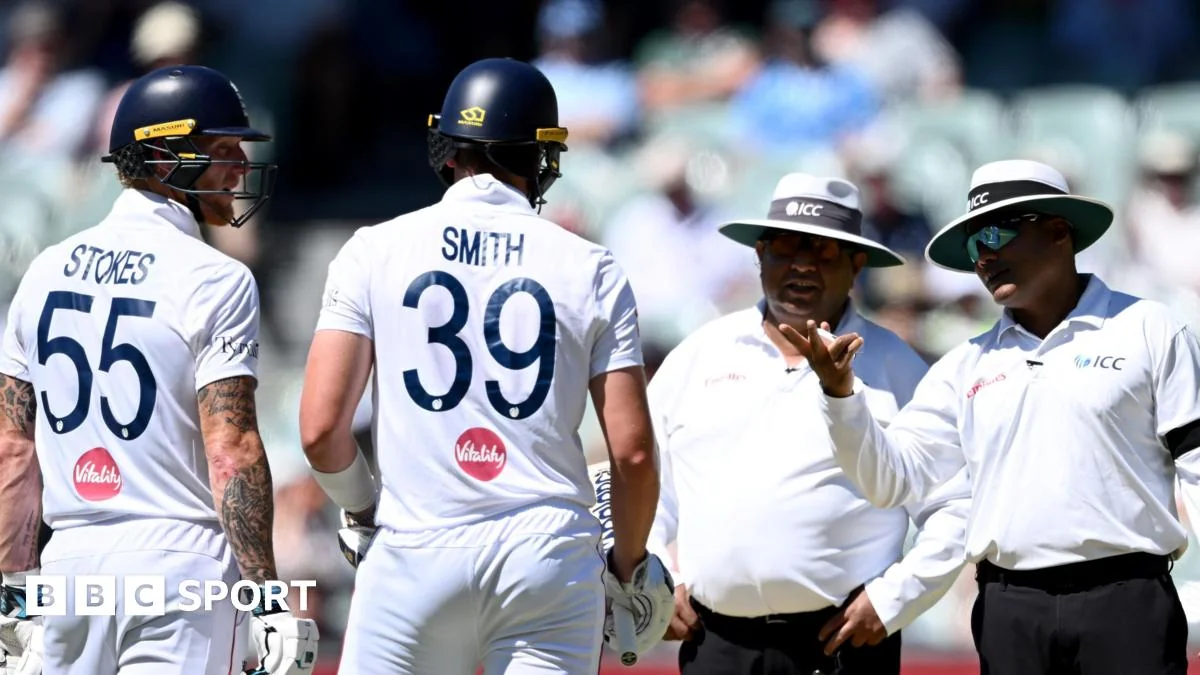
- England wicketkeeper Jamie Smith given out twice despite player and fielders’ doubts about the decision.
- Players question the accuracy of Snicko, leading to calls for its improvement or replacement.
- The incident highlights ongoing issues with technology in cricket umpiring.
Snicko Controversy in Ashes: Technology Faces Criticism Again
England’s hopes of winning the Ashes are dwindling after a series of contentious decisions involving Snicko, the technological aid used for on-field umpiring. The controversy has resurfaced with another questionable call, prompting players and fielders to voice their concerns about the technology’s reliability.
A Case of Doubt
The latest incident occurred during the third Test in Adelaide when England wicketkeeper Jamie Smith was given out caught behind for 22 runs. The decision came after Australia appealed confidently, leading to a review by TV umpire Chris Gaffaney and Snicko technology. However, the review process left many players questioning the accuracy of the technology.
Before the second verdict on Smith, one Australian player was heard saying: “This could be anything.” Another added, “Just review everything,” emphasizing the uncertainty surrounding the decision-making process. This sentiment echoed throughout the field as England’s Ashes hopes continued to vanish.
Player Disillusionment and Uncertainty
The first incident involved Alex Carey, who was given not out on day one after a mistake by Snicko. This led to increased skepticism among players about the technology’s reliability. The second decision further fueled this distrust as Smith left the field shaking his head, while England’s captain Ben Stokes appeared visibly frustrated.
The debate over the accuracy of Snicko intensified with both decisions being reviewed. Former England spinner Alex Hartley, speaking on Test Match Special, said, “This is where Snicko needs sacking, as we heard down the stump mic.” He emphasized the players’ growing reluctance to trust the technology.
Process and Trust in Technology
The review process itself raised questions about whether it was being followed correctly. Umpire Nitin Menon initially checked for a catch but then sent the decision to Gaffaney, who reviewed Snicko technology before making his call. However, this sequence of events left some players questioning if the right procedure had been followed.
Former Australia bowler Glenn McGrath added that while both decisions may have been made correctly, “player distrust is growing.” This issue extends beyond individual incidents and reflects a broader concern about the accuracy and reliability of Snicko in cricket umpiring.
FUTURE IMPACT AND UMPIRING TECHNOLOGY
The ongoing controversy over Snicko highlights the challenges faced by cricket’s technology integration. As players continue to express their doubts, the future of such technology remains uncertain. The Ashes series is far from over, and similar incidents could impact how teams strategize in upcoming matches.
What is clear is that this issue goes beyond a single Test match or a specific piece of technology; it touches on the trust between players and the umpiring system.
As cricket evolves, so must its technological tools to ensure fair play and maintain player confidence.
The Snicko controversy continues to be a contentious topic in international cricket, with ongoing debates about the accuracy and reliability of this technological aid. The Ashes series is far from over, but the technology’s role in umpiring decisions will undoubtedly remain under scrutiny as the competition progresses.


