
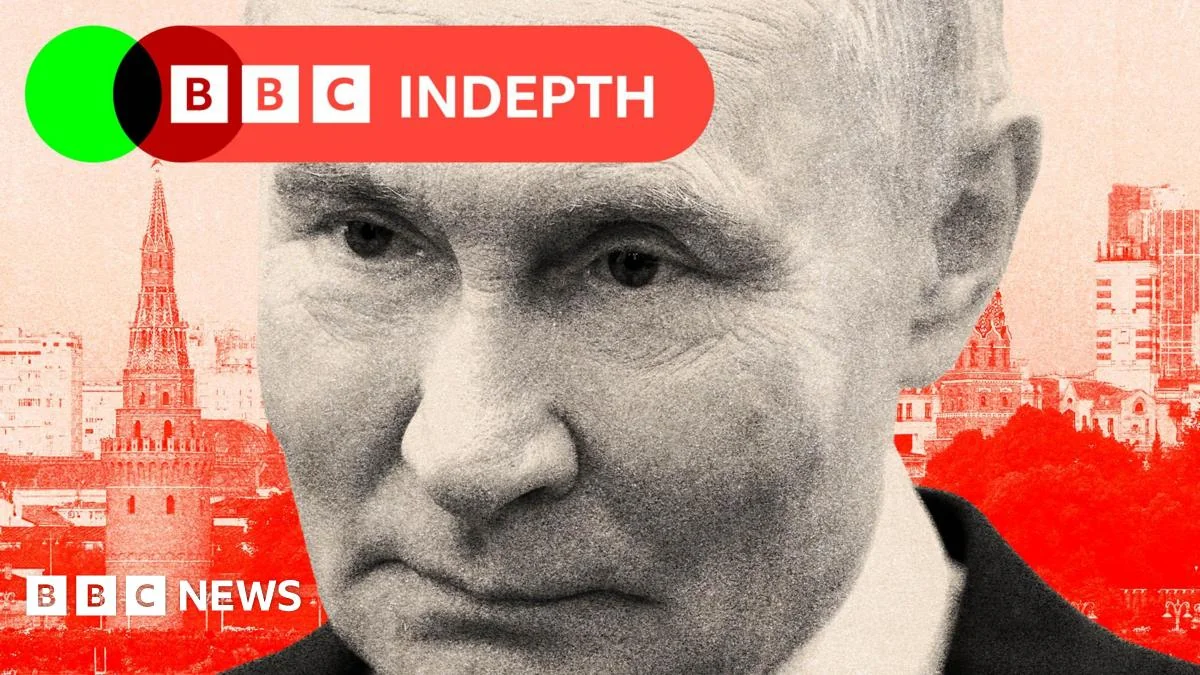
Key Highlights
- The article discusses the challenges in stopping Russian aggression in Ukraine and potential scenarios.
- It highlights that US President Donald Trump might try to force Ukraine into an unfavorable ceasefire, potentially disengaging from the conflict.
- The European Union is preparing for a ceasefire with plans to help deter future Russian invasion but faces hesitations over sanctions and frozen assets.
- Ukraine’s military strategy includes conscription laws and increased air strikes on Russian targets.
- China could potentially play a role in applying leverage against Russia, although there is no clear indication of their current stance.
The Diplomatic Tangle: Stopping Putin’s War Effort
Vladimir Putin’s aggressive actions in Ukraine have placed the international community in a complex and pressing dilemma. The situation is further complicated by the recent shift in U.S. administration policies under President Donald Trump, who has hinted at potential disengagement from the conflict.
Trump’s Diplomatic Tactic: A Controversial Ceasefire?
The article suggests that one possible scenario involves US President Trump forcing Ukraine into a ceasefire on terms unfavorable to its people. This approach would see the U.S. potentially washing its hands of the war, as evidenced by Trump’s statement last week: “Sometimes you have to let people fight it out.”
Europe’s Ceasefire Strategy and Financial Support
In response to potential disengagement from the U.S., Europe is preparing for a ceasefire. The continent has rallied behind the “coalition of the willing,” aiming to help Ukraine deter future Russian aggression with both military forces and financial aid.
However, some European officials are advocating for a prolonged conflict strategy, suggesting that Europe should prepare not just to win the current fight but also to deal with a long-term war. This includes providing longer-term support such as air defenses and border patrols in western Ukraine.
Sanctions’ Limited Impact
The article notes that despite significant economic sanctions targeting Russia, these measures have not substantially altered Kremlin thinking due to business’ ability to circumvent restrictions. According to Tom Keatinge of the Centre for Finance and Security at Rusi, western messaging about sanctions needs a more direct approach: “We need to stop being cute and go full embargo.” He suggests embargoes on all Russian oil and secondary sanctions on countries that continue to buy it.
Chinese Leverage and Public Sentiment
The role of China in this conflict is also significant. While President Xi Jinping’s support has been crucial, there is no indication of his willingness to apply leverage against Russia. The article highlights the complex interplay between global economies and the potential for secondary sanctions to impact China’s interests.
Conclusion
A Path Forward?
The situation in Ukraine remains fluid, with no clear path to peace currently on the horizon. While diplomatic efforts continue, economic measures like sanctions face limitations due to business circumvention. The involvement of key players such as China and the potential disengagement of the U.S. under President Trump complicate the resolution of this crisis.
For now, Ukraine must rely on its military strategies and support from allies to hold off Russian aggression. The international community, particularly Europe, faces significant challenges in balancing short-term ceasefires with long-term conflict preparedness.
The article concludes by emphasizing that unless Putin is forced to exit stage left, his aggressive stance may continue, potentially leading to further territorial gains for Russia and a prolonged conflict that could have far-reaching implications for the region and beyond.


