
Key Highlights
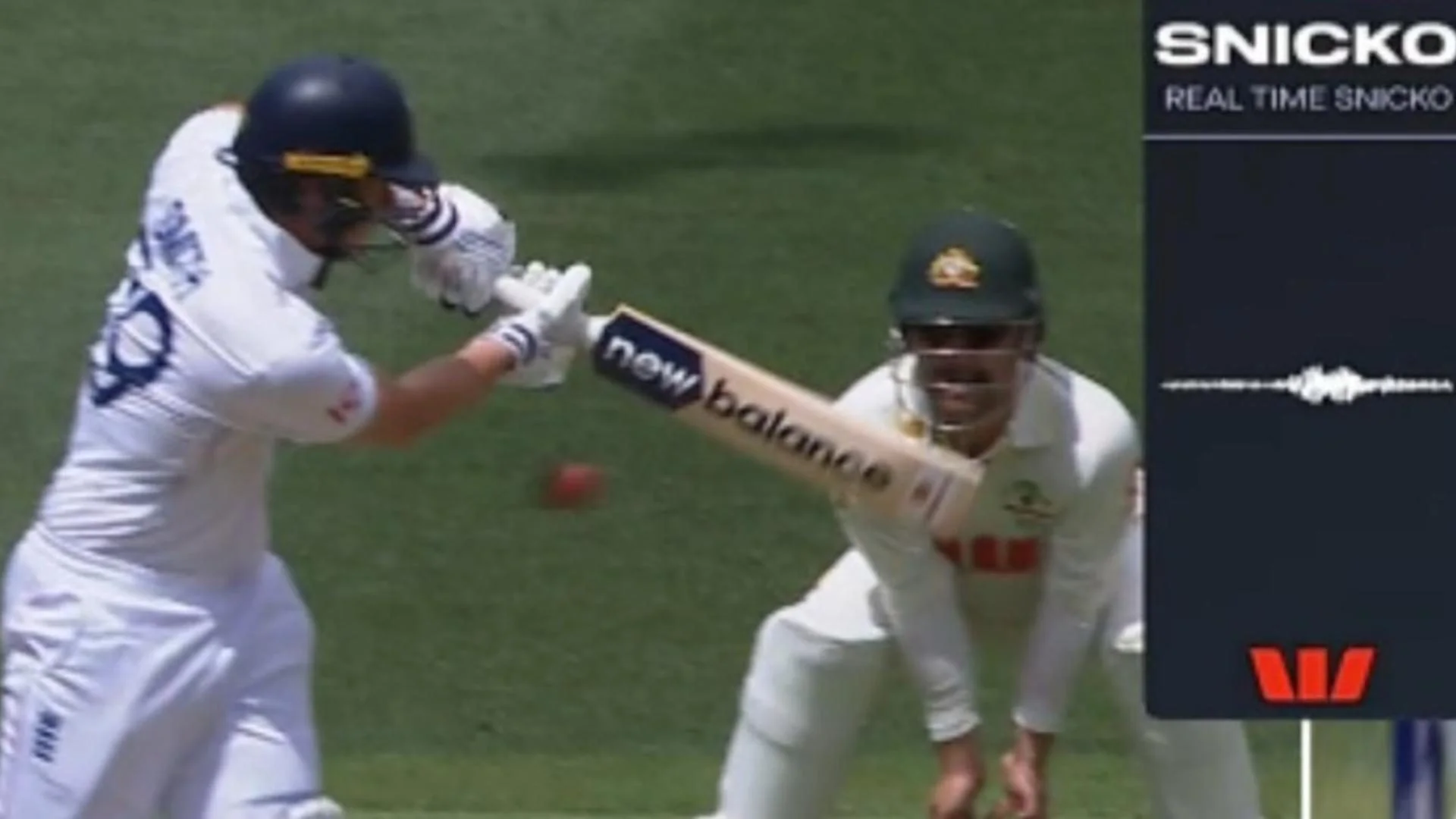
- Jamie Smith was given out by TV umpire despite a gap between bat and ball.
- The decision followed the use of Real-Time Snicko technology in the Ashes Test at Perth.
- Former umpire Simon Taufel explained why the decision was correct according to the DRS protocol.
- Sharp criticism arose from the initial walk-off attempt by Smith, leading to questions about his reasoning.
The Decision That Shocked England Fans: Jamie Smith vs. Real-Time Snicko
The 2025/26 Ashes series in Australia has seen its fair share of contentious moments on the cricket field, and none more so than when Jamie Smith was given out despite a clear gap between bat and ball. The incident, which occurred during the first Test at Perth, has left England fans baffled but serves as an interesting case study in how technology can influence on-field decisions.
The Incident: An Unusual Walk-Off
With England 104-6, Jamie Smith was the last recognized batter. As he attempted to pull a short ball from Brendan Doggett, Alex Carey appealed for a catch. Travis Head, positioned at short leg, also heard what sounded like a sound consistent with the ball hitting the stumps.
The decision went not out, and Australia reviewed. Smith initially seemed to walk but stayed put after the review decision was sent upstairs.
The delay in the review process—taking over four minutes—led to speculation that Smith’s initial intention might have played a role in his eventual dismissal. However, the real answer lies within the technology used for the series: Real-Time Snicko (RTS).
Understanding Real-Time Snicko
Cricket in Australia utilizes RTS rather than Ultraedge, which differs significantly in how it handles decision review system (DRS) protocols. According to former umpire Simon Taufel, match officials are instructed to consider the frame both before and after a spike when deciding if the spike matches the pictures.
Taufel explained that Sharfuddoula, the TV umpire, was correct in his decision: “I can see a spike as the ball has just gone past the bat. Satisfied the ball has made contact with the bat.” Sharfuddoula’s only error, according to Taufel, was taking too long to arrive at his conclusion.
Taufel further elaborated on why the decision was correct: “The conclusive evidence protocols with RTS—if you get a spike up to one frame past the bat, that is conclusive. And in this particular case, that is exactly what was there.” Taufel emphasized that Sharfuddoula’s hesitation was not warranted as the evidence was clear.
Implications for Future Umpiring
The incident highlights the potential pitfalls of relying on technology in cricket and the importance of timely decisions. While RTS has faced criticism for several contentious decisions during the 2024/25 Border-Gavaskar Trophy, it remains a crucial tool in ensuring fairness.
England fans may still be questioning Smith’s initial walk-off attempt, but the technology used in this case provided a clear and decisive answer. As cricket continues to evolve with technological advancements, understanding how these tools operate will become increasingly important for both players and spectators alike.
The Ashes Series: A Test of Technology and Umpiring
With the first Test at Perth leaving many questions about decision-making processes, the ongoing series in Australia promises to be a fascinating study. The Ashes 2025/26 will undoubtedly continue to challenge umpires and players alike, forcing them to adapt to new technologies while maintaining the integrity of the game.
The incident involving Jamie Smith serves as a reminder that while technology can improve accuracy, human judgment remains critical in ensuring fair play. As cricket moves forward into an era where technology plays an ever-increasing role, understanding its nuances will be key for all involved in the sport.
Stay tuned for further updates on this and other captivating moments from the Ashes series as it unfolds.


