
Key Highlights
- 82% of participants regained significant amounts of lost weight and saw cardiovascular improvements reverse after stopping tirzepatide.
- The study suggests that GLP-1 drugs should be rebranded as “weight management” medications, implying they may need to be taken indefinitely.
- Experts call for more research on potential off-ramps from these drugs and the effects of weight fluctuations.
The Perils of Stopping GLP-1 Drugs: A Grim Outlook for Weight Loss Patients
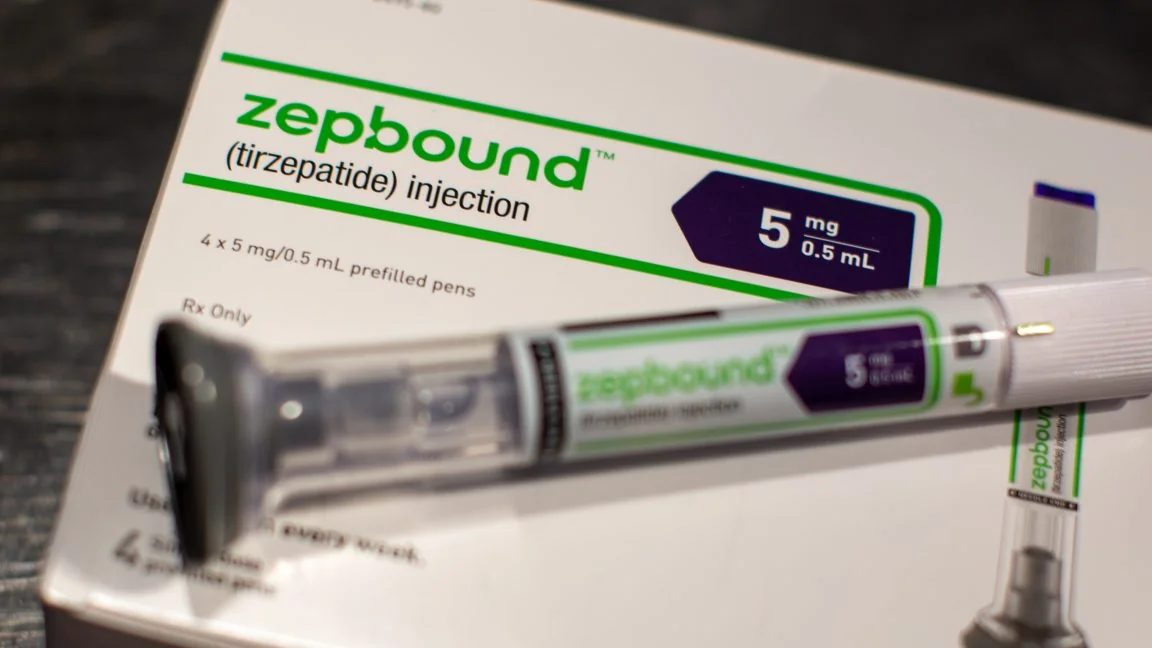
In a groundbreaking study published in JAMA Internal Medicine, researchers found that most participants who stopped taking tirzepatide, an anti-obesity medication from Eli Lilly & Co., experienced significant weight regain and saw their cardiovascular health metrics deteriorate. This alarming result challenges the notion of a safe and easy way off these drugs for many patients.
Weight Regain and Cardiovascular Decline
The study, led by Eli Lilly scientists, involved 670 participants with obesity or overweight (but without diabetes) who were treated with tirzepatide for 36 weeks. After this period, the participants were randomly assigned to either continue the drug treatment for an additional 52 weeks or receive a placebo. The researchers closely monitored changes in weight and cardiovascular health metrics after the drug withdrawal.
Of the 308 participants who lost at least 10 percent of their body weight on tirzepatide, 254 (82%) regained at least 25 percent of the weight they had lost by week 88.
Furthermore, 177 (57%) regained more than half of their lost weight, and 74 (24%) regained three-quarters or more.
The researchers noted that the more weight participants regained, the more pronounced the reversal of cardiovascular and metabolic improvements. Blood pressure increased, cholesterol levels rose, and fasting insulin levels also showed a worrying trend towards pre-treatment levels.
Health Implications and Expert Analysis
Elizabeth Oczypok and Timothy Anderson, medical experts from the University of Pittsburgh, accompanied the study with an editorial suggesting that GLP-1 drugs should be rebranded as “weight management” medications. They argue that these drugs may need to be taken indefinitely, much like chronic disease medications such as antihypertensives.
“Patients do not stop their anti-hypertensive medications when their blood pressure is at goal,” the experts wrote, drawing a parallel between the need for continuous treatment and GLP-1 drugs. They highlight that while some studies have shown that about half of people who start taking these drugs stop within a year, this does not align with long-term health outcomes.
Further Research Needed
The study leaves many questions unanswered, particularly regarding potential off-ramps from GLP-1 medications. Experts call for more research into how patients can safely transition away from these drugs and the effects of weight fluctuations on overall health. While some participants continued to lose weight after stopping the drug, it remains unclear why this happened.
Oczypok and Anderson emphasize the need for data on strategies such as gradual weaning off the drugs, stepping down dosages over time, or combining physical activity and calorie restriction to manage weight loss effectively.
They also advocate for more studies on the long-term effects of intentional weight gain after significant weight loss.
For now, Oczypok and Anderson advise healthcare professionals to approach GLP-1 medications as long-term therapies, similar to treatments for chronic diseases. They caution against overpromising a quick fix and encourage patients to view these drugs as part of an ongoing health management strategy.
The study underscores the complex nature of weight loss and maintenance, highlighting the potential risks associated with abruptly discontinuing GLP-1 medications. As research continues, experts hope to provide clearer guidance on how patients can navigate the challenges of managing their weight effectively in the long term.


