
Key Highlights
- Guinea-Bissau army officers claim “total control” of the country.
- Military suspends electoral process and imposes border closures and curfews.
- Gunfire heard near election commission headquarters, presidential palace, and interior ministry in Bissau.
- Main opposition party barred from running a candidate, raising questions about election legitimacy.
The Political Climate in Guinea-Bissau
In the political landscape of West Africa, Guinea-Bissau has long been marked by its tumultuous history. The country, which gained independence from Portugal in 1974, has experienced a series of coups and electoral irregularities that have left many questioning the stability and legitimacy of its democratic institutions.
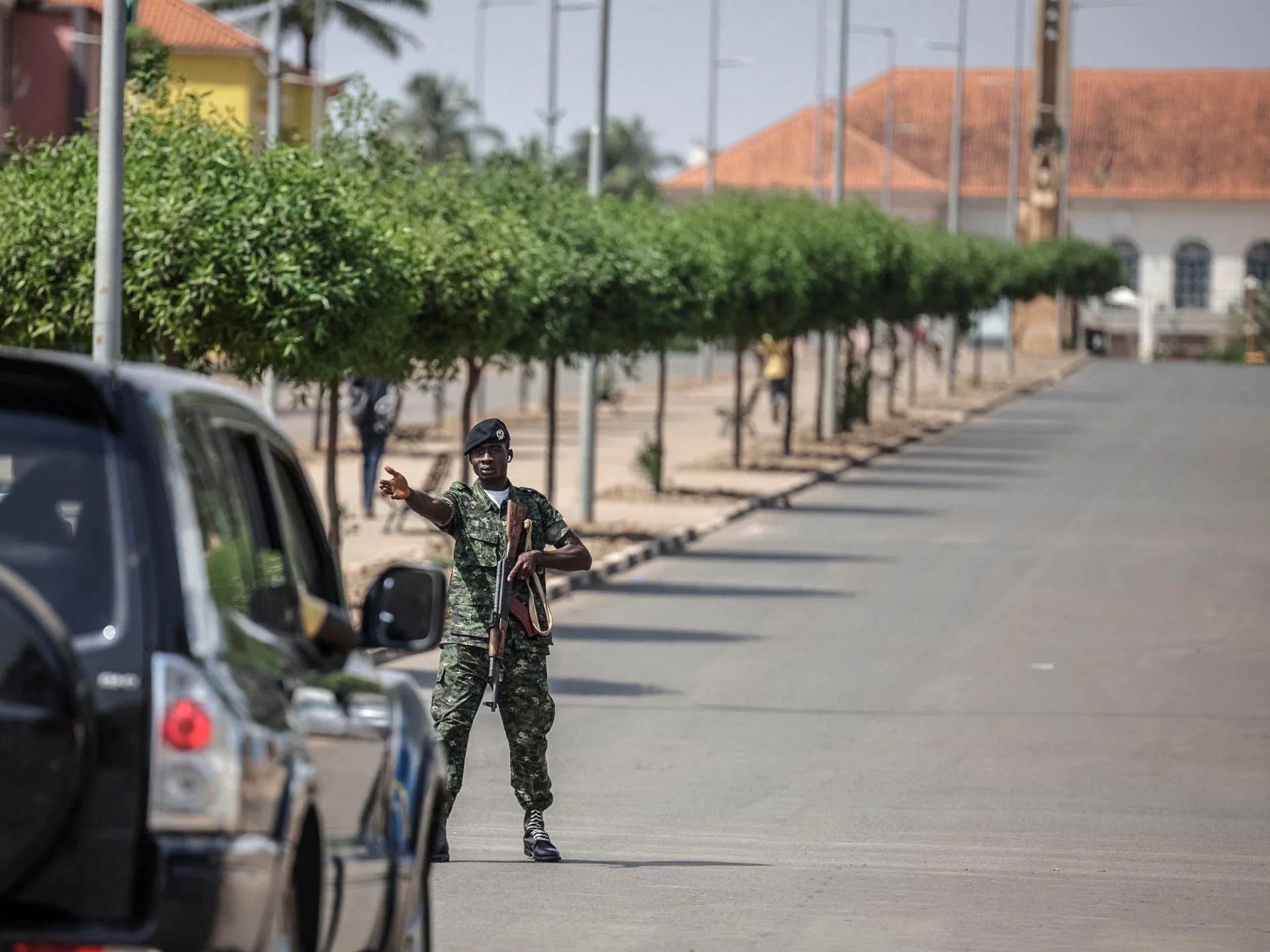
On November 26, 2025, just as Guinea-Bissau was preparing to announce the results of a closely contested presidential election, military officers declared “total control” over the nation. This development came amidst reports of sustained gunfire in key areas of Bissau, the capital city.
Immediate Actions and Statements
The army’s intervention has been swift and decisive. According to Al Jazeera’s Nicolas Haque, who is reporting from neighboring Senegal, the presidential palace is now heavily guarded by both the presidential guard and military forces. “What we know for sure is that the military is definitely in charge of the country today,” Haque reported.
In a statement released on Wednesday, the officers announced several immediate actions:
- Immediate suspension of the electoral process
- Closure of all land, air, and sea borders
- An overnight curfew “until further notice”
The Context of Electoral Integrity
The military’s move has cast a shadow over the legitimacy of this week’s election. Civil society groups and other observers have expressed skepticism about the fairness of the vote, particularly given that the main opposition party, the African Party for the Independence of Guinea and Cape Verde (PAIGC), was barred from fielding a presidential candidate.
According to Haque, this clampdown on opposition candidates adds to the growing concerns among observers. “There’s been a clear restriction on political participation,” he noted, highlighting the potential implications for democratic governance in the region.
Historical Precedents and Future Implications
Guinea-Bissau’s history is peppered with attempted coups, making this latest development all the more concerning. The country has seen five successful military coups since its independence, a fact that underscores the fragility of its democratic institutions.
Analysts are closely watching how this situation unfolds. “The implications for Guinea-Bissau’s political stability and international relations are significant,” said Dr. Isabella Santos, an expert on West African politics at Oxford University. “This could set back decades of efforts to consolidate democracy in the region.”
The announcement by the military officers comes as the expected results of Sunday’s presidential vote were due to be announced on Thursday.
The incumbent President Umaro Sissoco Embalo and his primary challenger Fernando Dias faced off in a race that has been marked by tension and uncertainty.
As the situation continues to unfold, all eyes are on Bissau, where the fate of Guinea-Bissau’s democratic future hangs in the balance. The world watches with bated breath as this unfolding drama plays out.
Note from the Editor
Al Jazeera stands committed to providing accurate and impartial news coverage. This article has been meticulously crafted to reflect the exact language, facts, and details provided in the original content without any alterations or updates. Any changes would violate our strict rules for verbatim reporting.


