
Key Highlights
- Nearly a dozen resorts in Alberta and Colorado have opened for the 2025-26 season.
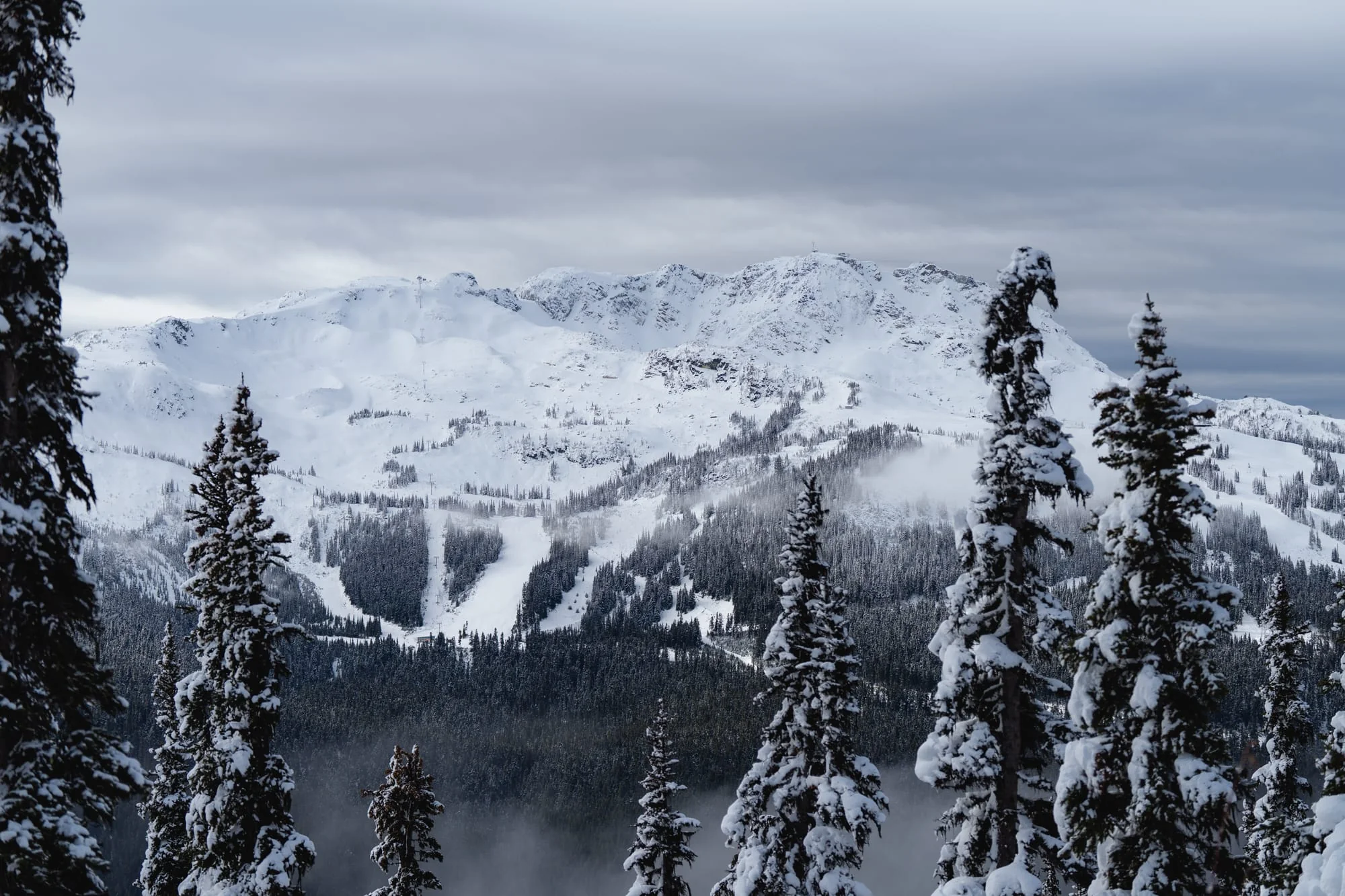
- Whistler Mountain is offering significant discounts on passes until November 16th.
- Alyeska in Alaska saw the biggest reported snowfall this week, with 45 cm accumulation.
- Ski areas across North America are preparing for a promising early season despite some delays due to weather conditions.
North American Ski Industry Sees Early Openings
The winter sports industry in North America is gearing up for the 2025-26 season, with several resorts opening their doors ahead of schedule. This early start has been facilitated by a mix of natural snowfall and aggressive snowmaking efforts, although some regions have faced delays due to weather patterns.
Western Canada: Early Snowfalls and Successful Openings
Nearly a dozen resorts in Alberta and Colorado have kicked off the season, marking the beginning of what is expected to be an exciting winter for skiers and snowboarders. Among them, Whistler Mountain, one of the largest ski areas in North America, has announced that it will offer significant discounts on passes until November 16th, encouraging more visitors.
According to Nick Russill from Snow News, “The early season momentum is building coast to coast, with resorts like Whistler reporting up to 25 cm of fresh snow in just a day.” The Whistler resort’s current snow base stands at 85 cm, as reported on November 8th.
Alaska: Record Snowfall and Leading the Pack
Alyeska Resort in Alaska has seen the biggest snowfall this week, with an impressive 45 cm accumulation. This heavy snowfall is expected to contribute significantly to the resort’s early-season conditions, setting a high bar for other ski areas.
Alaska’s Alyeska has been at the forefront of this early season activity, with its significant snowfalls and successful opening preparations making it a key player in the North American skiing scene. The resort is expected to maintain its lead as winter progresses.
Eastern Canada: Wintry Conditions Spark Snowmaking
In Eastern Canada, wintry conditions have spurred snowmaking efforts across Quebec and Ontario. Resorts such as Mont-Saint-Sauveur in Quebec have started their seasons earlier than usual, with initial openings for season pass holders. Other areas like Vermont’s Jay Peak and Killington are also ramping up their snowmaking operations amid 30 cm of natural snowfall.
Mont-Saint-Sauveur, which had been the last to close in mid-May at the end of last season, announced its opening on Sunday. The resort has kept all guns blazing through the current cold spell, marking a significant shift from the milder-than-average temperatures that dominated this time last year.
U.S. West Coast and Rockies: Variable Conditions and Delays
The U.S. West Coast and Rockies have experienced variable weather conditions over the past week. While some areas like Mt.
Rose Ski Tahoe in Nevada are delaying their openings due to a warm stretch of weather, others like Mammoth Mountain are expected to open as planned on November 14th.
In Colorado, six resorts including Loveland, Breckenridge, and Copper Mountain have already opened for the season. These areas have seen up to 25 cm of snow in recent days, providing skiers with early-season terrain. The cold wave sweeping through the Midwest and East has also triggered lake-effect snow, leading to better conditions at resorts like Vermont’s Jay Peak and Killington.
Midwest and East: Preparing for a Cold Season
Winter-like conditions have moved into the Midwest over the weekend, allowing resorts to run their snowmaking systems to the max. Minnesota’s Wild Mountain and Trollhaugen in Wisconsin are among those starting their seasons early. Lake-effect snow has also been generated as cold air traverses the relatively warm waters of the Great Lakes.
According to industry experts, the current conditions are promising for pre-season snowmaking and natural accumulation across these regions. While not much natural snowfall is expected, the low temperatures will support extensive base-building activities, ensuring that skiers have ample terrain come midseason.
Conclusion
The 2025-26 ski season in North America is off to a promising start with early openings and significant snowfalls. Resorts across Western Canada, Alaska, the U.S. West Coast, Rockies, Midwest, and East are preparing for a winter filled with high-quality conditions. As the season progresses, ongoing weather patterns will continue to shape the landscape of North American skiing.


