
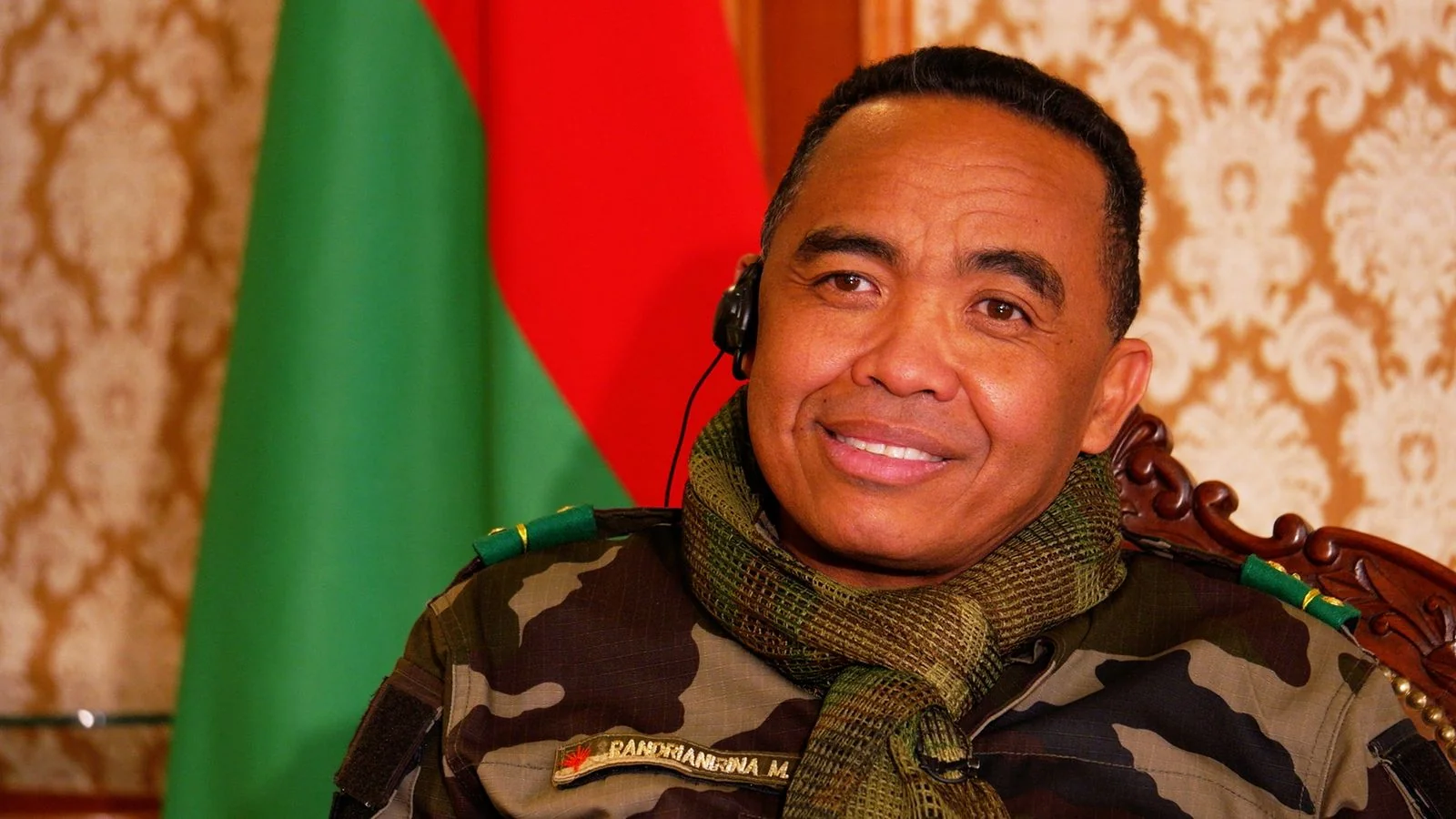
Key Highlights
- Colonel Michael Randrianirina sworn in as president following a Gen Z uprising.
- Gen Z protests forced former leader Andry Rajoelina out of power and country.
- Randrianirina denies military coup, citing support from the people.
- United Nations condemns the change of government as unconstitutional.
The Gen Z Uprising in Madagascar
In a dramatic shift, Madagascar’s political landscape has been reshaped by a grassroots movement led by young activists. This uprising, known as “Gen Z,” forced President Andry Rajoelina out of power and into exile on 13 October 2025. The protests were fueled by long-standing grievances over corruption, poverty, and lack of basic services such as electricity and clean water.
A New Leader Emerges
Colonel Michael Randrianirina, a commander in the elite non-combatant military unit Corps d’Administration des Personnels et des Services de l’Armée de Terre (CAPSAT), rode this wave of Gen Z protests to power. On 11 October 2025, he shared a video on social media instructing officers to disobey shoot-to-kill orders and support the movement. This act marked his entry into politics and paved the way for his subsequent rise to presidency.
Following Rajoelina’s departure, Randrianirina and his troops seized control of key government institutions.
On 16 October 2025, they announced the dissolution of the constitution and all government bodies outside the National Assembly. The African Union swiftly responded by suspending Madagascar’s membership over concerns about a military takeover.
Randrianirina’s Denial of Coup
Despite the apparent shift in power, Randrianirina insists that this is not a military coup but “support for the people and the country.” He maintains that it was Rajoelina himself who decided to leave the country. “We were not conducting any coup at all,” he stated emphatically.
However, his denial has been met with skepticism from international observers and young activists. The United Nations secretary-general Antonio Guterres condemned this change of government as unconstitutional and called for a return to constitutional order and rule of law.
The Promise of Elections
Randrianirina promises elections within 18 to 24 months, stating that the country needs “refoundation and recovery.” He acknowledges that this process might take considerable time. His administration faces significant challenges, including addressing the root causes of the Gen Z uprising—poverty, corruption, and lack of basic services.
Despite these promises, there are concerns among young activists about Randrianirina’s commitment to democracy. Ousted President Rajoelina came to power after a 2009 protest movement that ended in a CAPSAT-supported coup. While Randrianirina downplays this history, the Gen Z organizers remain vigilant against another authoritarian regime.
University student Ratsirarisoa Nomena expressed hope: “The new president is not a dictator… he is listening to the people and he is validated by the people.” Nonetheless, the future of Madagascar’s political landscape remains uncertain as it navigates this delicate transition from Gen Z uprising to democratic governance.


