
Key Highlights
- India’s batting struggled on a turning track against South Africa.
- The collapse of the Indian top order led to their dismissal for 189 runs.
- This highlights India’s vulnerability to quality spin bowling on such surfaces.
- The incident mirrors past struggles against Australian and New Zealand spinners.
- India must rethink their batting approach to make turning tracks an advantage.
Turning Tracks and Indian Cricket: A Mixed Bag
In a match that encapsulated the complexity of preparing for turning pitches, India’s performance against South Africa at Eden Gardens on November 13th, 2025, underlined both the benefits and challenges these conditions present. The second day saw an uncharacteristic collapse by the Indian batting lineup as they were dismissed for 189 runs in just 62.2 overs.
The Setting: Eden Gardens, Kolkata
Eden Gardens, one of India’s iconic cricket grounds, witnessed a stark contrast from the day before when South Africa was bowled out for 159 runs. The atmosphere was marked by optimism and relaxed discussions among the crowd about who might score a hundred, with KL Rahul and Shubman Gill leading contenders.
From Calm to Chaos: A Single Ball’s Impact
The pitch quickly transformed from a sedate affair into a high-pressure environment. Simon Harmer, making his last Test appearance before signing the Kolpak deal, delivered a single ball that planted seeds of doubt in the Indian camp. The second ball caught KL Rahul and sent him to the sidelines with a sprained neck, marking the beginning of a disconcerting sequence.
Shubman Gill’s slog sweep for four was followed by a six off Keshav Maharaj from KL Rahul, who had been batting cautiously on 27.
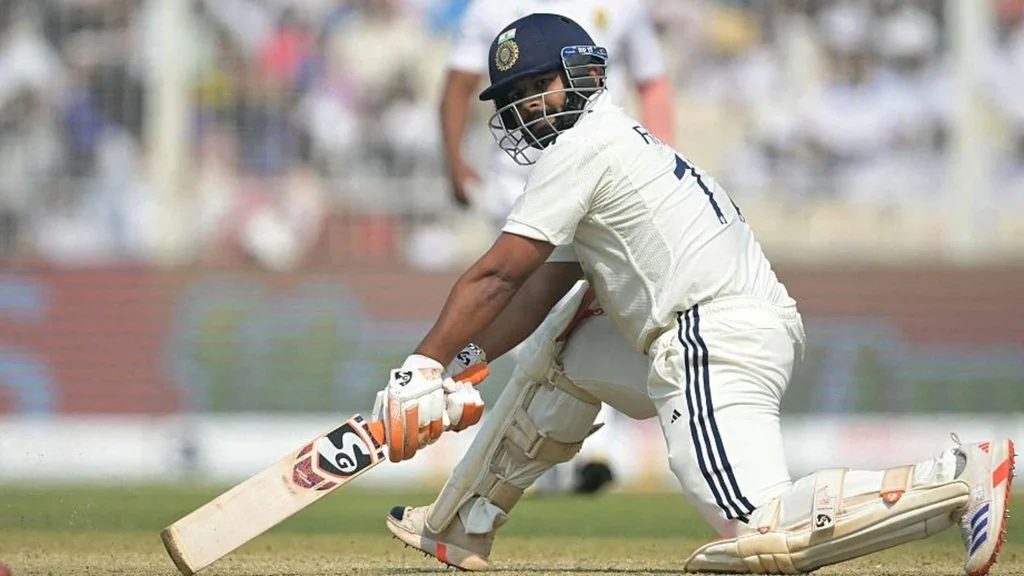
Rishabh Pant, at just one run, benefited from an umpire’s decision but failed to capitalize, eventually falling to a typical Harmer shot: a reverse sweep. With the collapse intensifying, Jadeja’s dismissal was another blow as he stepped out against the spin.
Adrenaline Over Analysis
The rapid decline of the Indian batting order highlighted their lack of adjustment under pressure from quality spin bowling. As the day progressed and the pitch deteriorated, India’s spinners managed to reduce South Africa’s lead significantly. However, this did not translate into a successful batting performance as the team struggled to manage the run rate.
The incident echoes past struggles against Australian and New Zealand spin bowlers, who have consistently posed significant challenges for Indian batsmen on turning tracks.
This year, India scored at 4.16 runs per over against New Zealand compared to 3.66 by the Kiwis themselves. The approach, while productive in some conditions, has shown its limitations.
Defense as a Last Resort
The collapse also brought into sharper focus South Africa’s defensive strategy under pressure. Captain Temba Bavuma demonstrated effective use of depth and placement to frustrate the Indian bowlers. His resilience highlighted that in tough conditions, defense can still be an effective tactic.
A Call for Change
As Harmer visualised a potentially different narrative for day three, India faces a larger question: How can they ensure their batting approach aligns with the preparation of turning tracks? The collapse underlines that while these conditions may offer strategic advantages, they cannot be solely reliant on defensive tactics.
In conclusion, if India continues to prepare surfaces conducive to world-class spin bowling, they must simultaneously develop a sustainable method for batting on such tracks. Otherwise, as Harmer suggested, the risk remains of laughing early and crying late in their pursuit of cricketing success.


