
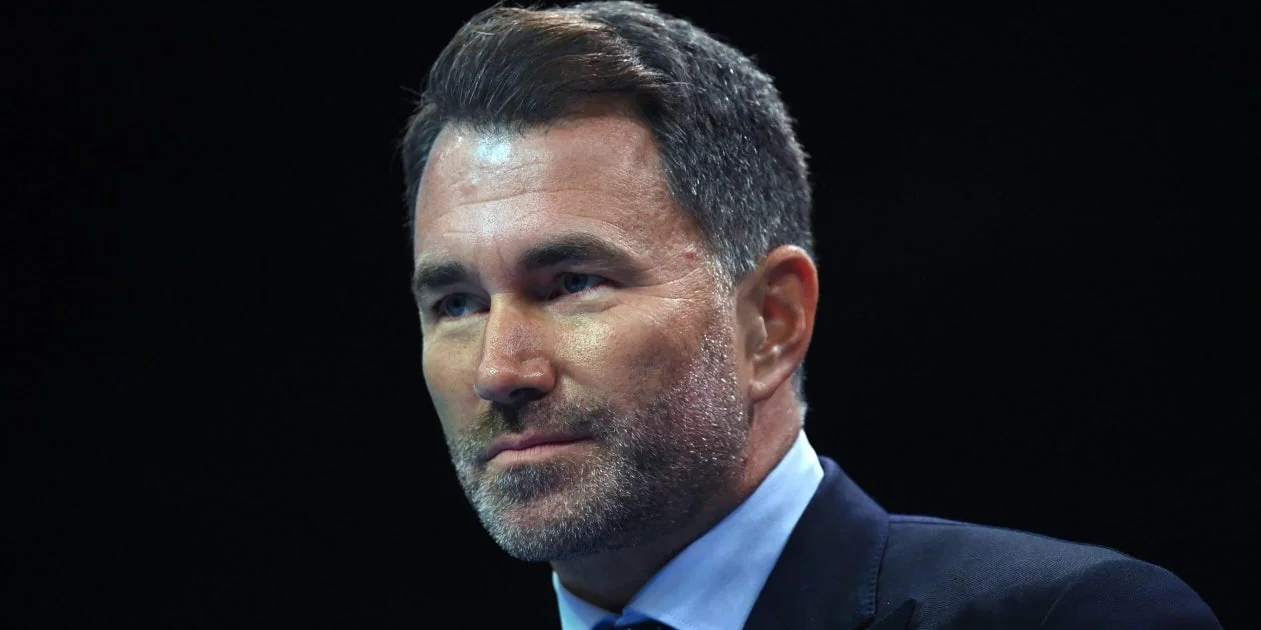
just doesn’t really work,” but he acknowledges that the noise generated by these fights provides substantial value. He adds, “If you were an investment fund that said, ‘We want to make a play in boxing,’ you couldn’t consistently lose this amount of money. But the losses for them are justified by the noise that it’s creating for tourism and the country.”
Challenges and Benefits
Hearn describes the involvement with Al-Sheikh as both challenging and rewarding. “He’s gonna do whatever he wants to do,” Hearn warns, referring to Dana White and his company Zuffa Boxing, who may find it difficult working with Al-Sheikh’s quick decision-making style.
One of the most notable aspects of this relationship is the unpredictability it brings. Hearn recalls a situation where he was on the beach with his family, waiting for an important call from Al-Sheikh. “I was only going to be 10 or 15 minutes, so I put my phone down,” said Hearn, “Sod’s law, when I came back, there were about eight missed calls and voicemails: ‘He needs to speak to you now’. And then a voicenote from Turki saying, ‘I’m trying to reach you. Where are you?’”
Despite the chaos, Hearn finds it enjoyable working with Al-Sheikh. “I like spending time with him, he’s a unique character; very driven, very smart, and he absolutely loves boxing.” He adds, “If you have to clean his shoes, I’d do that, just for him.”
The Future of Boxing Promotion
Hearn reflects on the fast-paced nature of organizing major fights under Al-Sheikh’s influence. “We might have a plan in place for how we will promote an event: when we’d put tickets on sale, when we’d drop the undercard etc. Then he’ll just say, ‘I want to announce the fight’ and tweets it,” Hearn explains.
This unpredictability can sometimes lead to disagreements. “It’s like, f******’ hell, mate. But that’s how it is.
And he’s never gonna change. You have to understand that if you’re gonna work with him, that’s how it’s gonna be,” said Hearn.
Criticism and Personal Relationships
Despite the challenges, Hearn maintains a positive outlook on his role in promoting boxing. He recognizes the criticism he receives but believes it comes from a place of passion and love for the sport. “Imagine posting something like: ‘Great show this Saturday, who you got winning?’. And 10 minutes later, you read the replies and it’s like: ‘You’re a p****, you’re scum’,” said Hearn.
He adds, “It’s part of the job.
I’m still humble enough to know that if I’m making money, the fighters are making money, I’m gonna do as I’m told.” Hearn emphasizes the importance of building relationships with his fighters, explaining how he balances their personal well-being with financial success.
Reflecting on his career, Hearn acknowledges both successes and regrets. He mentions the decision to match Anthony Joshua against Andy Ruiz Jr., which led to a loss for Joshua but also provided him with a significant payday. “Sometimes you make a decision that feels right at the time. But when you look back in hindsight, maybe it wasn’t,” said Hearn.
Overall, Hearn’s insights provide a window into the world of boxing promotion, highlighting the complexities and challenges involved in organizing major fights under changing circumstances.


