
Key Highlights
- The latest episode of “South Park” explores the ethical and legal implications of AI-generated videos.
- Creative team Trey Parker and Matt Stone use Sora 2 to depict President Trump and JD Vance in a sex scandal, leading to discussions on copyright infringement.
- Characters like Totoro from Studio Ghibli and Bluey are used in the episode, highlighting concerns over unauthorized use of copyrighted characters.
- The issue of AI-generated content raises questions about privacy and consent for intellectual property owners.
AI-Generated Content in “South Park”: A Mocking Lens on Digital Ethics
In the latest episode of South Park, titled “Sora Not Sorry,” creators Trey Parker and Matt Stone delve into the controversial world of artificial intelligence-generated videos. The show, known for its satirical edge, uses Sora 2, a version of OpenAI’s video generator, to create scenes that blur the lines between reality and fiction.
The Sexual Scandal: A Mockery of Real-World Issues
The episode opens with a controversial scene where President Trump and JD Vance are depicted in an explicit encounter. According to Parker and Stone, this was part of a fake video that they claim was created using Sora 2. The creators use the scenario as a narrative device to discuss the ease with which such videos can be fabricated and disseminated.
“Nothing is sacred, Kyle,” Butters tells him in the show, reflecting on the episode’s broader implications. This line encapsulates the ethical dilemma posed by AI-generated content: how do we distinguish between real and fake?
The Use of Copyrighted Characters
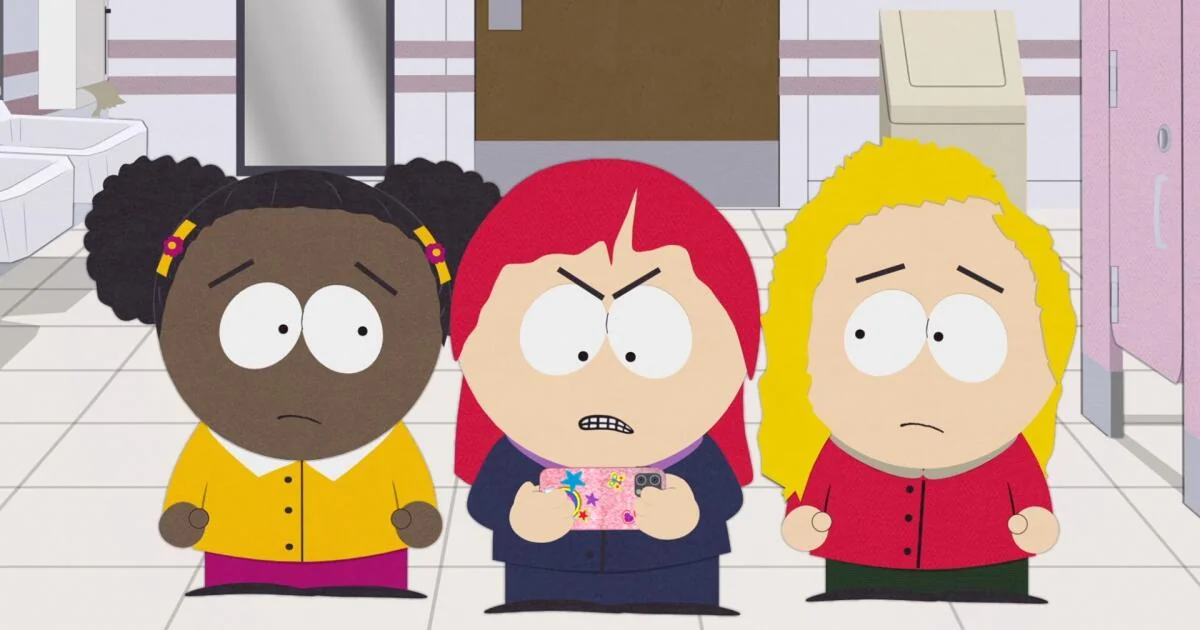
In a segment that takes the episode to new levels of controversy, children from South Park Elementary generate revenge-porn videos using Sora 2. The characters Butters and Red create explicit videos featuring Totoro from Studio Ghibli’s “My Neighbor Totoro,” leading to chaos as AI-generated content floods the network.
Studio Ghibli representatives appear in the episode, offering a voice of reason and reminding viewers that “you cannot just do whatever you want with someone else’s IP.” This segment serves as a stark reminder of the legal challenges surrounding AI-generated videos and the potential for copyright infringement.
The Technological Battle: OpenAI vs. Content Owners
Back in the real world, the backlash against Sora 2 continues to intensify. The app’s latest update, released at the end of September, sparked swift criticism as it allowed users to create videos featuring copyrighted characters and celebrities until rights holders opted out. Unauthorized deepfakes began circulating quickly, including videos of Robin Williams, Michael Jackson, and Martin Luther King Jr.
The Content Overseas Distribution Association (CODA), representing Japanese IP holders, released a letter in late October stating that OpenAI’s actions “may constitute copyright infringement.” This highlights the ongoing tension between AI companies like OpenAI and content owners who are seeking to protect their intellectual property rights.
Future Implications: Industry Responses and Legal Battles
The episode of South Park reflects real-world concerns and debates. OpenAI has responded by giving rights holders more granular control over the generation of characters, similar to an opt-in model for likenesses but with additional controls. Meanwhile, Hollywood studios like Disney are expressing their frustration and seeking agreements that balance innovation with protection of intellectual property.
The episode serves as a microcosm of the broader issues facing the entertainment industry: how can technology be harnessed responsibly while respecting copyright laws? As AI continues to evolve, these debates will only become more pressing.
Conclusion
“South Park” has long been known for its satirical take on contemporary issues. With “Sora Not Sorry,” the show addresses the rapidly evolving landscape of artificial intelligence and copyright law. The episode not only entertains but also prompts viewers to consider the ethical implications of AI-generated content in an increasingly digital world.


