
Key Highlights
- An Italian writer claims wealthy foreigners paid for the chance to shoot civilians during the siege of Sarajevo.
- The investigation is being conducted by Italian magistrates based on new evidence from a former Bosnian intelligence officer.
- A documentary suggested that visitors paid to shoot civilians, but Serbian veterans have denied these allegations.
- Italian secret service documents are expected to provide further details about the alleged snipers involved.
The Siege of Sarajevo: A Dark Chapter in History
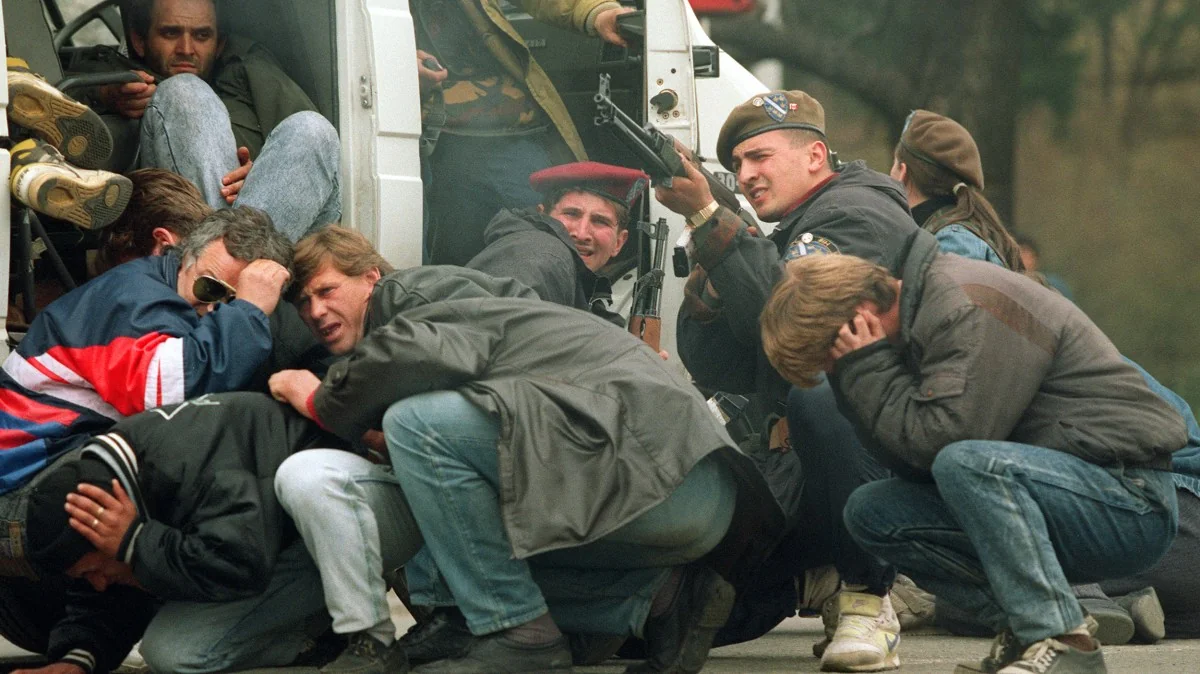
The siege of Sarajevo during the Balkan Wars (1992-1996) remains a dark chapter in modern history, marked by extreme violence and suffering. The city was under siege for more than 1,400 days, resulting in over 11,500 deaths, including many civilians. According to new claims, some of these tragic events were exacerbated by the involvement of foreign nationals.
Unearthing the Truth: A New Investigation
In November 2025, Italian writer Ezio Gavazzeni revealed evidence suggesting that wealthy foreigners paid for the opportunity to shoot civilians during the siege. This claim has been investigated by Milan magistrates, who have opened a probe based on information from a former Bosnian intelligence officer.
Rich Visitors and the ‘Human Safari’
Gavazzeni’s research indicates that “weekend snipers” from Italy paid significant sums to participate in what he terms a “human safari.” These individuals were allegedly taken to strategic positions around Sarajevo, where they could observe and shoot at civilians. The Italian writer identified one of the participants as an entrepreneur with a reputation for cosmetic surgery from Milan.
Documentary Insights: A Cruel Reality
The documentary Sarajevo Safari, produced by Slovenian filmmaker Miran Zupanic, provided early insights into this phenomenon. The film quoted an unnamed American former spy who witnessed visitors paying to shoot civilians during the siege. However, Serbian veterans have vehemently denied these allegations.
Italian Secret Service Documents: A Key Source
According to Gavazzeni, documents from the Italian secret service (SISMI) confirm that at least five Italians participated in these activities. One individual identified by SISMI was a Milanese sniper with a private clinic specializing in cosmetic surgery. These details suggest that the involvement of foreigners went beyond mere curiosity or adventure.
Collaboration and Ongoing Investigation
The Italian investigation has been supported by the Bosnian government, which is eager to uncover the truth about this disturbing chapter in history. The Bosnian consul in Milan, Dag Dumrukcic, stated that his country would offer “total collaboration” to the magistrates. He added that he possessed certain information that could be shared with investigators.
Indifference and Justice
Gavazzeni’s findings highlight the moral implications of these actions: individuals paid to commit acts of violence against civilians, seemingly indifferent to the human cost. The Italian writer stated, “What I learned is that Bosnian intelligence warned the local office of the Italian secret service … about the presence of at least five Italians who were taken to the hills above Sarajevo to shoot civilians.”
Future Implications and Broader Context
The investigation into these alleged events serves as a stark reminder of the complexities and dark undercurrents during the Balkan Wars. As the world continues to grapple with similar issues in various conflict zones, understanding such historical precedents can provide valuable lessons for preventing future atrocities. The pursuit of truth, as exemplified by Gavazzeni’s work, highlights the ongoing importance of investigative journalism in uncovering and addressing human rights violations. The collaboration between international bodies and governments underscores the global commitment to justice and accountability in the face of such grave crimes.


