
Key Highlights
- Manchester United will play only one home game in a 50-day span between October 5 and November 24.
- This situation is caused by Manchester United not qualifying for European competitions, which has reduced their home games.
- The lack of games impacts the club’s revenue from matchday events, as well as the commercial impact on local businesses and fan culture.
- Players benefit from more recovery time between matches but face challenges in maintaining their fitness levels.
Manchester United’s Unprecedented Home Game Schedule
Manchester United, one of England’s most storied football clubs, will play only one home game within a 50-day period this season. This is the first time in over three decades that such a long gap between home fixtures has occurred for the team.
Rarity and Concern
According to Andy Mitten of The Athletic FC, Saturday’s Premier League meeting with Brighton & Hove Albion will mark Manchester United’s only home game from October 5 until November 24. This period is unprecedented in recent years for the club, which has typically played multiple home games within a similar timeframe. The lack of home fixtures has raised concerns among both fans and club officials.
Reasons Behind the Schedule
The primary reason behind this unusual schedule is Manchester United’s failure to qualify for European competitions. Not only did they miss out on the Europa League, but their early exit from the Carabao Cup further reduced the number of home games available. Historically, qualifying for these tournaments would have provided additional opportunities for fans and revenue generation.
Impact on Club and Community
The reduced number of home games has significant implications for Manchester United. The club will miss out on substantial matchday revenues from events like the Europa League, which last season saw them play seven times at Old Trafford in front of full houses. This not only affects the club’s finances but also impacts local businesses and community engagement.
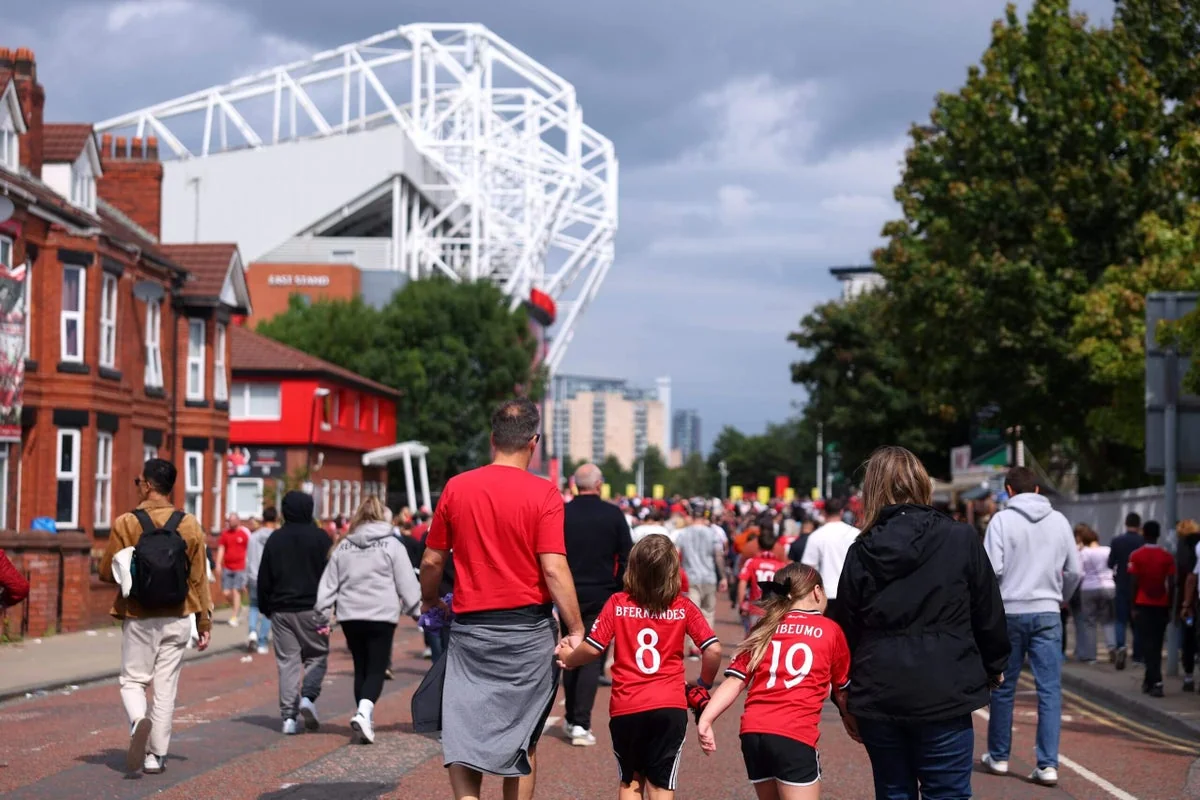
Manchester’s hotels, pubs, and cafes that thrive during matchdays are likely to suffer, as there will be fewer opportunities for fans to visit.
The souvenir stalls outside the stadium, which rely on every home game, may see a decline in sales due to the lack of games and adverse weather conditions. Fanzine sellers, who put significant effort into creating content, face challenges with the poor weather affecting their sales.
Player Recovery and Work-Life Balance
The extended gap between matches offers players more recovery time but also presents new challenges. With a four-day lead-in to games, players must manage their workload carefully to avoid injuries while ensuring they are fully prepared for each fixture. This longer schedule allows for better family time and reduced overnight stays abroad.
However, the quiet period in between matches can be monotonous and may affect squad unity.
Fringe players who typically get chances during midweek games will find it harder to maintain their form without regular appearances. The lack of games also impacts fanzine sellers, who must adapt their strategies to survive in a less predictable environment.
Conclusion
The unusual home game schedule for Manchester United this season highlights the broader challenges faced by football clubs when they miss out on European competitions and domestic cup runs. The impact extends beyond just the club’s finances but also affects local businesses, fan culture, and player welfare. As the season progresses, it will be interesting to see how these factors evolve and what adjustments are made to mitigate the negative effects of such a schedule.


