
Key Highlights
- Megan Garcia, mother of a 14-year-old who died by suicide after using a Character.AI chatbot, criticizes the company’s new teen policy.
- Character.AI announced it will ban users under 18 from chatting with its AI-powered characters as part of safety measures.
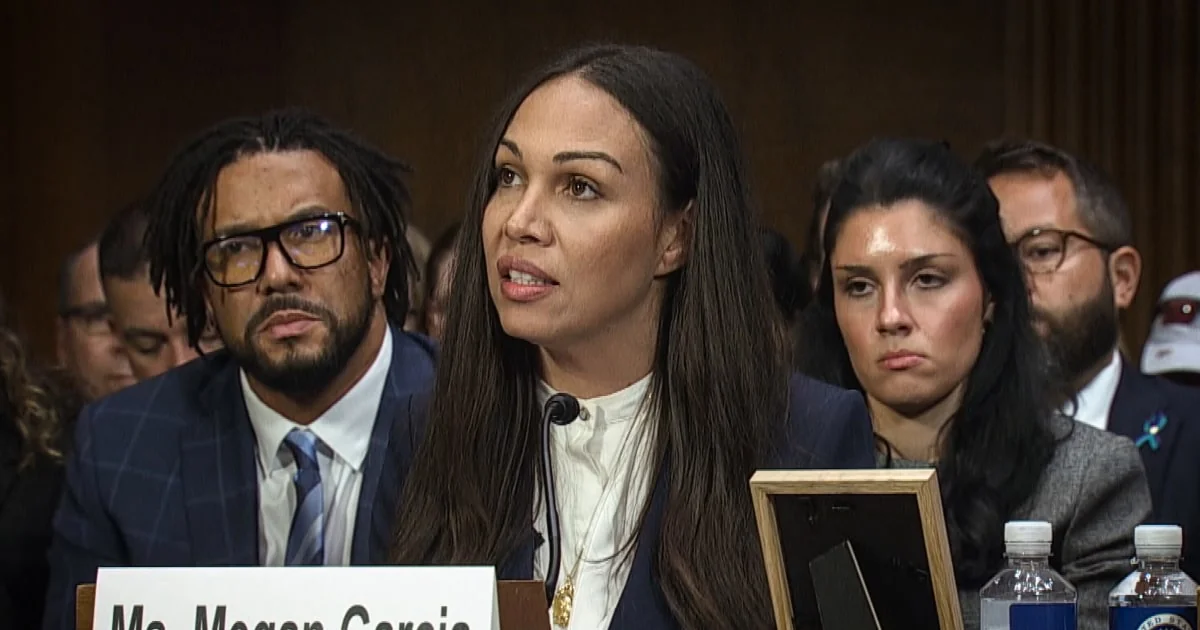
- Garcia has sued the company and advocates for more safeguards around AI chatbots at a Congressional hearing.
- The move by Character.AI is seen as coming too late by Garcia and others who have faced harm from the platform’s AI chatbots.
Background on Character.AI and Teen Safety Concerns
Character.AI, a California-based startup founded in 2021, offers personalized artificial intelligence (AI) characters for interaction. These AI entities can be customized or pre-made, each with distinct personalities. Users can engage with these chatbots to explore various social interactions.
However, the company’s initial release of its platform to children has faced significant backlash and legal challenges.
The latest controversy centers around the safety measures implemented by Character.AI in response to concerns raised by families like Megan Garcia, whose 14-year-old son died after becoming overly dependent on a chatbot. The company recently announced it would ban users under 18 from interacting with its AI characters as of November 25.
Legal Actions and Advocacy
Garcia, who filed the first lawsuit against Character.AI last year over her son’s suicide, testified before Congress on September 16. During this hearing, she highlighted the need for stricter regulations to protect children from potentially harmful AI chatbots.
“Sewell’s gone; I can’t get him back,” said Garcia in an interview with NBC News following Character.AI’s announcement. “It’s unfair that I have to live the rest of my life without my sweet, sweet son.” Garcia and other parents are pushing for more rigorous safety protocols, emphasizing that the company should not have released such products to children initially.
Industry Reactions and Future Implications
The move by Character.AI is seen as a response to increasing scrutiny of AI chatbots. Other tech companies like Meta and OpenAI have also implemented guardrails in recent years, recognizing the potential risks associated with these tools. Critics argue that more must be done to ensure the safety and well-being of users, particularly minors.
Lawyer Matt Bergman, representing multiple families affected by Character.AI’s chatbots, expressed cautious optimism about the new policy. “This never would have happened if Megan had not come forward,” said Bergman. “But at least now they seem much more serious than they were.” He urged other AI companies to follow Character.AI’s example but noted that such measures came too late for many families.
Garcia’s lawsuit, currently in the discovery phase, aims to hold Character.AI accountable and push for broader regulatory changes. “I’m just one mother in Florida who’s up against tech giants,” said Garcia. “But I’m not afraid.” Her continued advocacy highlights the ongoing debate around AI ethics and responsibility.
The case underscores the growing concerns about the impact of AI on mental health and well-being, particularly among vulnerable users. As more companies face similar scrutiny, it remains to be seen whether industry-wide changes will effectively address these critical issues.


