
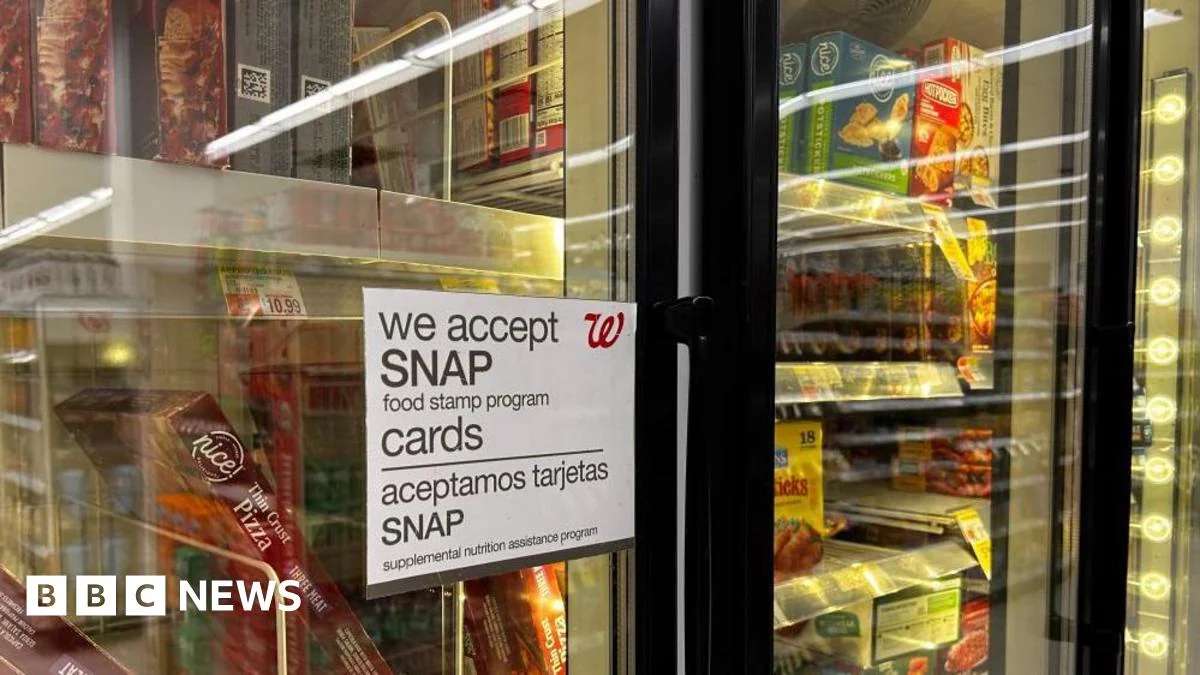
Key Highlights
- Half of US states have sued the Trump administration over its plans to halt funding for food aid.
- The lawsuit argues that not using the emergency contingency funds would be unlawful and could cause widespread hunger.
- About 40 million low-income Americans rely on SNAP benefits, which would run dry in November if no funds are provided.
- California Governor Gavin Newsom criticized Trump for denying food to millions of Americans.
The Crisis at Hand: States Sue Trump Over Food Stamp Cutbacks
In a dramatic escalation of the ongoing federal shutdown, 25 states and the District of Columbia have joined forces in a legal battle against the Trump administration over plans to halt funding for the Supplemental Nutrition Assistance Program (SNAP), commonly known as food stamps. This move has sent shockwaves through the political landscape, with governors and attorneys general from diverse backgrounds taking a stand against what they view as an irresponsible handling of essential public welfare.
The lawsuit, led by Democratic attorneys generals in states like Arizona, California, Colorado, and others, aims to force the administration to use a roughly $6 billion emergency contingency fund for SNAP. This fund, which is currently sitting idle, could provide critical support to millions of low-income Americans who depend on these benefits to secure their basic nutritional needs.
Why the Controversy?
The US Department of Agriculture (USDA), responsible for overseeing SNAP, has stated that it will not utilize this emergency fund. This decision is based on concerns that the money might be needed in case of unforeseen emergencies such as natural disasters. However, many states argue that the immediate threat to public health and well-being posed by a potential funding shortfall outweighs these concerns.
“Shutting off SNAP benefits will cause deterioration of public health and well-being,” the lawsuit notes. “The loss of SNAP benefits leads to food insecurity, hunger, and malnutrition, which are associated with numerous negative health outcomes in children, such as poor concentration, decreased cognitive function, fatigue, depression, and behavioral problems.” These statements underscore the gravity of the situation for millions of American families who rely on these benefits.
Political Fallout
The political implications of this crisis extend beyond just the issue of food stamps. As the shutdown enters its 28th day, it has become a symbol of gridlock and dysfunction in Washington, D.C. California Governor Gavin Newsom, a Democrat, criticized Trump for denying food to millions of Americans who will go hungry next month. “It’s cruel and speaks to his basic lack of humanity,” he said, highlighting the stark contrast between the president’s priorities and those of state leaders.
Adding fuel to the political fire, Republicans and Democrats have traded blame for the ongoing shutdown and lack of meaningful progress toward a deal. The USDA has blamed Democrats for the fund running dry, while many states argue that they are being forced to make impossible choices between federal funds and their own limited resources.
Federal Response
Responding to the lawsuit, the USDA accused Democrats of holding out for extreme positions within their party. They contend that there is a need to decide whether to “hold out for the Far-Left wing of the party or reopen the government so mothers, babies, and the most vulnerable among us can receive timely WIC and SNAP allotments.” This response reflects the complex political dynamics at play as states attempt to secure funding while federal officials grapple with their own ideological battles.
Even if the contingency fund is used to help SNAP beneficiaries, it would only cover about 60% of one month’s benefits. According to a think-tank focused on policies that help low-income families, several states have pledged to use their own funds to cover any shortfall.
However, the federal government has warned that they will not be reimbursed for these expenses.
As the situation unfolds, states are working with people in SNAP programs to try to locate charity food pantries and find alternative sources of meals. The California National Guard is also being deployed to help distribute food, highlighting the immediate need for action and the potential consequences if a compromise cannot be reached soon.
A Long-Term Issue
The ongoing federal shutdown and the impending cutbacks in SNAP benefits are part of a larger narrative of political polarization and economic uncertainty. As more states join the lawsuit and the shutdown shows no signs of ending, the issue will continue to dominate headlines and public discourse. The future of millions of Americans who rely on these benefits hangs in the balance as both sides await a resolution that could impact not just this moment but potentially future administrations as well.


