
Key Highlights
- Nine people killed in pro-Iran protests at US consulate in Pakistan’s Karachi.
- Protests erupted following the killing of Iran’s Supreme Leader, Ayatollah Ali Khamenei.
- Security forces opened fire to disperse protesters attempting to storm the consulate.
- Large-scale protests also occurred in other parts of Pakistan and internationally.
The Shockwave: Karachi Protests Erupt
Karachi, the bustling heart of Pakistan, witnessed a chilling scene on March 1, 2026. Nine individuals lost their lives as security forces deployed lethal force to quell a massive protest against the United States.
Smoke and Fury: The Karachi Incident
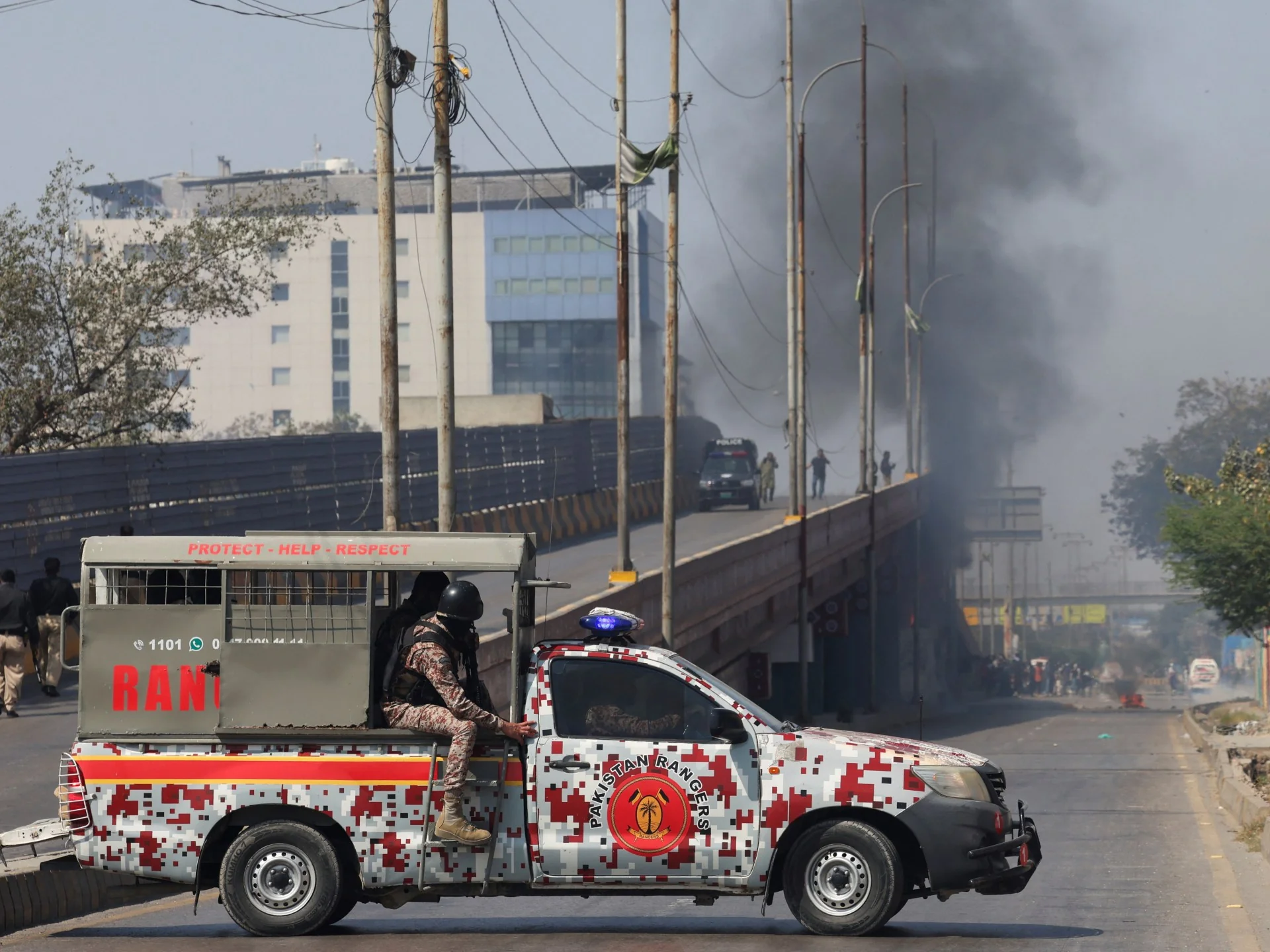
The protests began after Iranian Supreme Leader Ayatollah Ali Khamenei’s shocking assassination in what appears to be a joint US-Israeli strike. A paramilitary vehicle parked near the US consulate, smoke billowing from it, served as a stark backdrop to the chaos that ensued.
A Region on Edge: Beyond Karachi
The echoes of the Karachi protests reverberated across Pakistan and beyond. In Skardu, a city in Gilgit-Baltistan known for its stunning landscapes, protesters set fire to a United Nations office building. Meanwhile, in Lahore, hundreds gathered but no violence occurred.
Global Reactions: A Ripple Effect
Protests also erupted in Iraq and Indian-administered Kashmir, highlighting the global reach of Iran’s discontent. In Baghdad, pro-Iranian demonstrators targeted the Green Zone housing the US embassy, though there were no reports of casualties.
The Broader Implications: An Ominous Turning Point
The scale and intensity of these protests underscore a significant shift in regional dynamics. The killing of Khamenei, the spiritual leader of Iran, has ignited a firestorm that could alter the course of US-Iran relations.
You might think this is new, but it’s part of a longer-standing tension that’s been simmering. This is not just about a single individual; it’s about power, influence, and the complex web of alliances in the Middle East.


