
Key Highlights
- The Met Office has issued a fresh yellow warning for heavy rain in southern England and South Wales.
- There are currently 218 flood alerts across the UK, with 89 active flood warnings.
- The Environment Agency is urging people not to drive through flood water as it can be deeper than it appears.
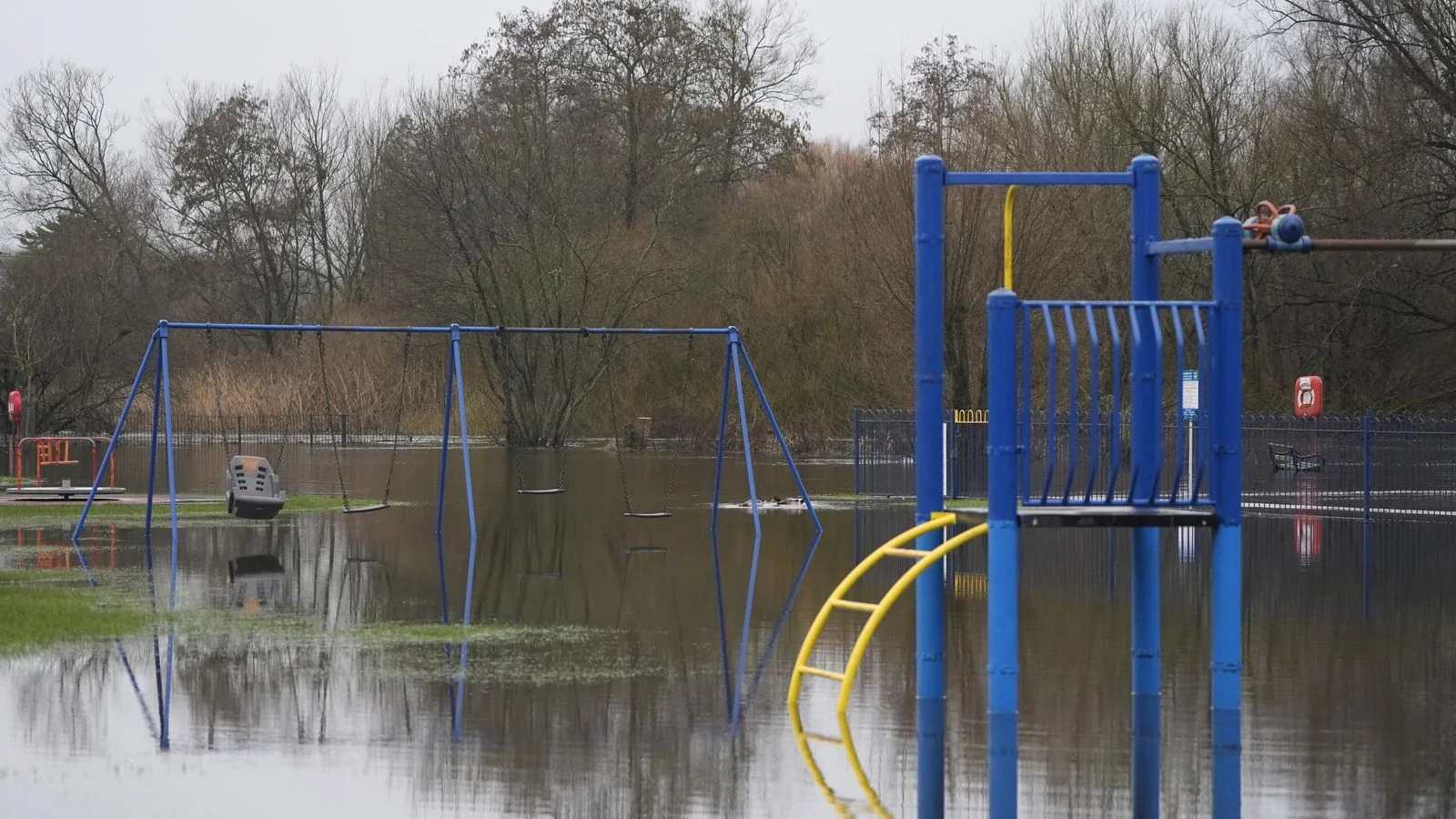
Sunday’s fresh weather warning from the Met Office marks a grim continuation of relentless rains that have soaked much of southern England and South Wales. With 89 active flood warnings, the UK is bracing for yet another day of potential chaos and disruption. The Environment Agency has issued stern advice: “Do not drive through flood water,” highlighting the dangerous depth it can reach.
The Rain’s Persistent Presence
According to the Met Office, bands of rain and heavy showers will move eastward across southern parts of England and Wales on Monday afternoon and evening. The forecast predicts 10-15mm of rain fairly widely, with some places expecting up to 30mm due to strong south to southeasterly winds. Aberdeen has not seen any sunshine since January 21st, a period described by Sky News as the longest sunless spell in recent history.
Impact and Precautions
The warning also suggests spray and flooding on roads could make journey times longer. Bus and train services are likely to be impacted, with a possibility of flooding in a few homes and businesses. The Environment Agency notes significant ongoing groundwater flooding impacts remain probable in parts of Dorset and Wiltshire for the next five days.
Meanwhile, the UK as a whole has experienced below-average sunshine hours this winter, making the gloominess palpable. Aberdeen’s weather alone is a testament to the severity: it hasn’t had any sun since January 21st, and its February rainfall exceeds even the wettest day on record from 1985.
Historic Rainfall Figures
The relentless rain continues a pattern of exceptional rainfall totals. For instance, Exeter Airport has not had a single dry day since December 31st, making Sunday’s weather report critical for the region. The UK as a whole has received 50% more rain than usual in southwest England and South Wales, with January being particularly wet.
“The jet stream’s southerly position is responsible for much of this,” meteorologist Kirsty McCabe explains. “This fast-moving ribbon of air high in our atmosphere steers areas of low pressure around on the ground, leading to blocked weather patterns and a lot more rain across southern parts of the UK.” The forecast suggests these conditions could continue right into next month, not good news for those already struggling with waterlogged roads and properties.
Looking Ahead
The Environment Agency’s Flood Duty Manager Sarah Cook emphasized the ongoing impacts on communities. “Our teams are out on the ground to reduce the impact of flooding and support affected communities,” she stated. “It is crucial for people not to drive through flood water, as it often looks shallower than it is.” With no immediate end in sight, residents and travelers alike should prepare for more days of disrupted travel and potential property damage.
As we enter the heart of February, the UK remains under a blanket of persistent rain. While the Met Office’s warning provides clear guidance on what to expect, it also serves as a stark reminder of how weather patterns can significantly impact daily life and infrastructure. The question now is: How long will this rain continue? And when will skies finally clear?


