
Key Highlights
- The Canary Islands Government has updated early warnings for adverse weather conditions.
- The pre-alert is in effect across the islands from 3:00 p.m. on Thursday, 15 January.
- A mix of strong winds and heavy swells poses a risk to exposed coastlines.
- Authorities have issued safety recommendations to residents and visitors.
Weather Warnings in Canary Islands: Pre-Alert for Coastal Phenomena
The Canary Islands Government has taken proactive steps to ensure the safety of its inhabitants and visitors amidst a forecasted mix of strong winds and heavy swells. The decision was based on detailed observations from the State Meteorological Agency (Aemet) and other monitoring sources, leading to the activation of the Specific Emergency Plan for Adverse Weather Risks in the Canary Islands (PEFMA).
Areas Under Pre-Alert
The pre-alert specifically targets several coastal areas across the archipelago. The north and west coasts of La Palma, La Gomera, and El Hierro are included, as well as the northern coast of Tenerife and Gran Canaria. Exposed coastal areas on Fuerteventura and Lanzarote also fall under this pre-alert.
Expected Sea and Wind Conditions
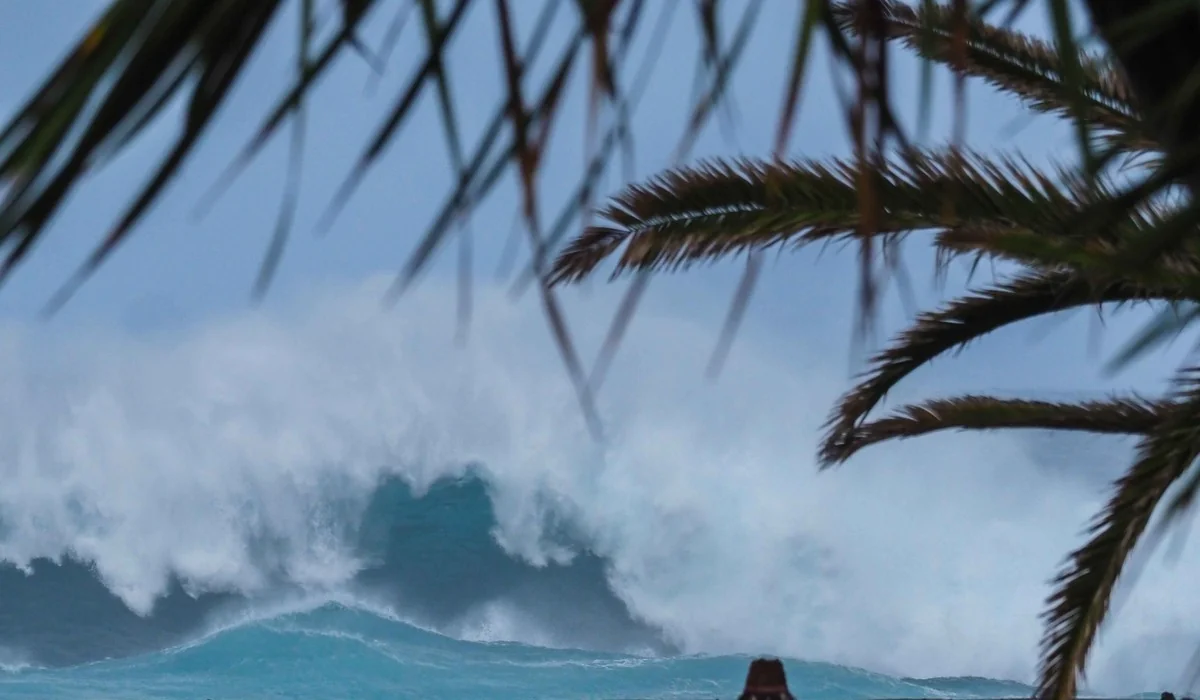
Rough seas are anticipated with a north-westerly swell that could reach or exceed 2 to 3 meters in height. The swell period is forecasted to be longer than 12 seconds, significantly impacting the force and impact of waves along open coasts. Simultaneously, north to north-easterly winds are expected at force 4 to 5 (approximately 20 to 38 km/h), with gusts up to force 6 in more exposed areas.
These conditions could further worsen the sea state and reduce safety along the coastline.
The most significant impact is expected along coasts oriented towards the west, north, and north-west due to their exposure to incoming Atlantic swells. Authorities caution that conditions may change rapidly and can appear deceptively calm between wave sets.
Safety Recommendations for Residents and Visitors
In light of these ongoing pre-alert conditions, the Canary Islands Government has reiterated a series of safety measures aimed at reducing risk:
- Secure homes and properties against possible sea water intrusion.
- Avoid standing on piers, breakwaters, or jetties to take photos or videos.
- Avoid fishing or walking in high-risk coastal areas.
- Do not drive on roads that run close to the shoreline during periods of strong swell.
- Swimming is strongly discouraged at remote or poorly known beaches, especially those without lifeguard services. Bathers should avoid beaches with red flags, strong waves, undertow, or visible whirlpools.
Nautical and sporting activities in affected areas have also been suspended to ensure public safety. Authorities advise that if unusual or exceptionally large waves are observed, people should move away from the sea immediately, even if conditions seem to improve temporarily. Boat owners are urged to secure their vessels in sheltered locations.
Emergency Procedures
In an emergency situation, individuals are advised to:
- Move away from breaking waves if possible.
- Call for help and wait to be rescued.
- Avoid swimming against the current; instead, remain calm and let the current carry them until a safer area is reached.
From land, anyone witnessing someone in difficulty should throw a floating object and immediately call 1-1-2, the emergency services number. The Canary Islands Government has also reminded residents and visitors that the 012 information line remains available for further updates and assistance.
The authorities continue to monitor the situation closely and urge the public to follow official guidance as weather conditions evolve over the coming hours. This proactive approach aims to ensure the safety of everyone in the archipelago during this period of adverse weather, minimizing potential risks and disruptions to local communities and tourism activities.


